
How to Avoid Tourist Scams in Egypt
Most tourists don't get scammed because Egypt is unsafe. They get scammed because they don't know what's normal. Understanding context prevents almost every common problem.
Why Fear Gets This Topic Wrong
Online advice often makes Egypt sound hostile. That framing creates tension. Tense travelers make rushed decisions. Rushed decisions creates problems. The cycle feeds itself.
What Most "Scams" Actually Are
Many so-called scams are really:
- Unclear expectations
- Optional services not explained well
- Cultural misunderstandings
This doesn't excuse bad behavior. But it explains why preparation matters more than suspicion.
The Most Common Situations Travelers Misread
First-time travelers often struggle with:
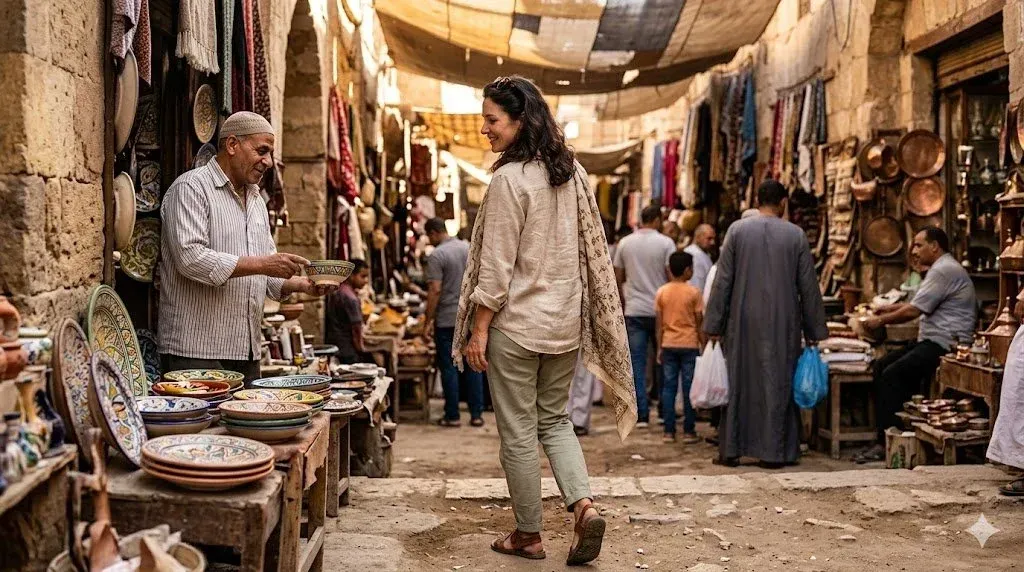
- Unofficial guides offering help
- Services offered before prices are clear
- Friendly persistence
These situations are normal in Egypt. What matters is how you respond.
"Some travelers arrive with everything double-checked and still feel overwhelmed.
Others arrive with fewer plans, but a clearer structure — and move through Egypt calmly.
The difference isn’t caution. It’s clarity."
You may like to read Aswan Travel Guide
The One Rule That Prevents Most Problems
Never accept a service unless the terms are clear. That includes:
- Price
- Duration
- Purpose
If something feels rushed, pause. Clarity protects you better than confrontation.
You may like to read
Why Structure Reduces Scam Exposure
Travelers with structure:
- Know where they're going
- Know who they're meeting
- Know what's included
That certainty removes opportunity for confusion. Improvisation creates openings.
Why First-Time Travelers Feel Targeted
New visitors:
- Look uncetrain
- Ask more questions
- Hesitate publicly
That visibility attracts attention. Structure makes you invisible.
When to Say No (And How)
You don't need explanations. A calm, polite "No, thank you" is enough. Confidence comes from preparation, not toughness.
Final Thought
Egypt rewards calm, informed travelers. Fear makes things harder than they need to be.
The best way to avoid problems in Egypt is knowing what to expect before you arrive.
This is how we help first-time travelers move through Egypt with confidence instead of caution.
Is Egypt dangerous for tourists?
No. The majority of visits to Egypt a smooth and uneventful. Most problems travelers report come from confusion, not crime. Knowing what;s normal reduces risk significantly.
What are the most tourist scams in Egypt?
The most common situations involve unclear pricing, unsolicited help, or optional services that weren't explained upfront. These are usually misunderstandings rather than deliberate fraud.
How can I avoid being approached constantly?
Travelers with clear plans, confident movement, and visible structure are approached far less. Knowing where you're going who you're meeting reduces attention naturally.
Should I trust people who offer help at tourist sites?
Help is often genuine, but it may come with expectations. If you haven't agreed on price and purpose first, politely decline. Clarity should always come before acceptance.
Is it rude to say no in Egypt?
No. A calm, polite refusal is culturally acceptable. You don't need to justify or explain your decision.
Are taxis and drivers safe to use?
Yes, when arranged clearly. Issues usually arise when destinations or prices aren't agreed upon in advance. Private transfers reduce uncertainty further.
Do guided tours really reduce scam risk?
Yes. Tours remove ambiguity by defining what's included, who you're with, and where you're going. This eliminates most opportunities for confusion.
Should i be paranoid about money and belongings?
No. Basic awareness is enough. Excessive suspicion often creates stress and attracts attention. Calm confidence is more effective than hyper-vigilance.
Is bargaining always expected?
Not always. Bargaining is common in markets but not appropriate everywhere. When unsure, ask calmly or choose fixed-price services.
What's the biggest mistake first-time travelers make?
Confusing caution with preparation. Being informed and structured is far more effective than being constantly on guard.
Ashraf Fares