
The Complete First-Time Egypt Planning Checklist
***Edited June 5, 2026
Everything on this page exists for one reason: to remove the obstacles between you and what Egypt has to offer.
And what Egypt has to offer is extraordinary. The pyramids at dawn. The Nile at dusk. A tomb painting so vivid it looks like it was finished yesterday. A guide who makes three thousand years of history feel like a story about people you could have known.
The preparation is real — Egypt asks more of travelers than most destinations. But every item below is an investment in the experience that waits on the other side.
Why This Checklist Exists
In twenty years, I have met many travelers who arrived planning to do everything independently and changed their minds within 48 hours. A common line I hear on Day 1: "We thought we could just grab a taxi and figure it out… but after 20 minutes at the Pyramids with vendors surrounding us, we realized we needed help." By the afternoon, they are asking if we can add more guided days.
The pattern repeats because Egypt does not absorb poor planning the way most countries do. The heat swings from 26°C at dawn to 40°C by late morning. Distances that look manageable on Google Maps take twice as long in Cairo traffic. Sites that seem self-explanatory are anything but — without interpretation, the Valley of the Kings is beautiful stonework and nothing more.
The travelers who describe Egypt as the best trip of their life are not different from those who describe it as overwhelming. They made the decisions on this checklist before departure.
3–6 Months Before Departure
This is when the decisions that shape everything else get made.
Guided or independent? Cairo is navigable independently — Uber works throughout the city and avoids taxi negotiations entirely, and the Metro connects major neighborhoods with clearly marked women-only carriages. But at archaeological sites, a licensed Egyptologist guide transforms a walk through old stones into a three-thousand-year narrative. In twenty years, the pattern is consistent: experienced independent travelers who went to Egypt without a guide describe wishing they had one. Not because they could not manage — but because they spent their energy on logistics instead of the experience.
Private or group? A private tour means the vehicle, guide, and schedule are all yours. Want to spend an extra thirty minutes inside Karnak because the light is extraordinary? You can. Want to skip the alabaster factory? Done. Group tours cost less, but the structural compromises — fixed schedules, mandatory shopping stops, shared guide attention — produce measurably different outcomes. When you book through a platform like Viator or TripAdvisor, shopping stops are part of the structure. When you contact an operator directly, the economics change, and shopping stops can be eliminated entirely.
How many days? Five days cover Cairo and one southern city. Seven days — the most popular — cover Cairo, Luxor, and a Nile cruise. Ten days add Aswan and Abu Simbel. Fourteen days add the Red Sea or Alexandria. The most common line at the end of every trip is some version of "We wish we had one or two more days in Luxor or Aswan." I almost never hear anyone say they had too much time.
Book flights. Most international flights arrive at Cairo Terminal 3 between 10 pm and 2 am. Factor your arrival day as a rest day, not a sightseeing day. The first 24 hours decide the emotional arc of the entire trip — and the single most important decision is to rest on arrival night rather than attempt to explore.
Visa. $30 USD visa on arrival at the airport (cash: USD, EUR, or GBP). Alternatively, apply for an e-visa online at visa2egypt.gov.eg before departure. The passport must have at least 6 months of validity. Carry a pen — the immigration form is handwritten, and nobody at the counter will have one to lend.
Budget framework. A full-day private tour in Cairo with a guide, transport, and all entrance fees typically ranges from $180–$280 per person for two sharing when booked directly. A budget group tour of similar duration charges $45–$85 per person but includes mandatory shopping stops. A seven-day private package covering Cairo, Luxor, and Aswan — hotels, domestic flights, all guided tours, most meals — typically ranges from $1,450–$2,250 per person depending on hotel level and season.
1–2 Months Before Departure
The structural decisions are made. Now confirm the operational details.
Confirm your itinerary and guide. Request a day-by-day PDF itinerary with specific sites, approximate start times, and your guide's name. Verify the operator's license at etaa-egypt.org (Egyptian Travel Agents Association). At Pyramids Land, we share the guide's name, a short bio, and, when possible, a photo four to six weeks before arrival — so clients recognize their guide at the hotel. A clean PDF day-by-day itinerary follows two to three weeks before departure. It is detailed but not overwhelming.
Verify guide credentials. "Egyptologist guide" means a university degree in archaeology, history, or ancient languages plus a government license from Egypt's Ministry of Tourism. If an operator cannot name their guides or describe their qualifications, that tells you something about the operation. The guide is the single most impactful variable on any trip to Egypt.
Book internal flights and Nile cruise. Cairo to Luxor is one hour by air versus ten hours by train. Peak season (October through April) fills up — book early. Dahabiya cabins for the Nile sell out months in advance. Standard Nile cruises between Luxor and Aswan are more available, but specific cabin categories still fill during peak weeks. Easter and European school holidays (late March through mid-April) create near-peak crowds and a 20–30% pricing spike — do not treat this period as low season.
Purchase site tickets. Major archaeological sites accept card payments. You can also purchase tickets in advance at egymonuments.com — the official government ticketing website. On a private tour, your guide handles this. The Grand Egyptian Museum (GEM) requires advance booking via visit-gem.com, with no walk-up tickets available.
Arrange travel insurance. Medical, cancellation, and evacuation coverage recommended. Egypt's medical facilities are adequate in major cities, but rural areas have limited options.
2 Weeks Before Departure
Minimal time. Disproportionate impact.
Currency and cards. Egyptian pounds (EGP). ATMs widely available in cities. Notify your bank of travel dates to avoid card blocks. Airport exchange rates are poor — withdraw from city ATMs after clearing arrivals. Credit cards are now accepted at major archaeological sites for ticket purchases.
SIM card or eSIM. Vodafone, Orange, or Etisalat are the main providers. Airport Wi-Fi requires an Egyptian phone number for SMS verification — an eSIM activated before departure avoids this problem. Data plans are inexpensive, and 4G coverage is reliable in tourist areas.
Health preparation. Bring bottled water for drinking AND teeth brushing — tap water in Egypt is not safe to drink. Mild digestive adjustment is common in the first two to three days; pack Imodium or Pepto-Bismol. Sunscreen with a high SPF is essential — the sun at archaeological sites is significantly more intense than most travelers expect, especially in Upper Egypt. Carry basic medications: paracetamol, rehydration salts, plasters, and an antihistamine.
Pack for climate and sites. Lightweight layers that cover shoulders and knees for mosque visits. Comfortable closed-toe shoes — the terrain at archaeological sites is uneven limestone and sand. Hat, sunglasses, a small daypack. Pack light — you will be in and out of vehicles and hotel lobbies frequently.
Essentials to carry daily. Toilet paper (most site restrooms do not stock it). A refillable water bottle. Your phone and a portable charger. A small amount of cash in Egyptian pounds for tips and small purchases.
Confirm all pickups. Driver's name and phone number. Guide's contact. Hotel address in Arabic (ask your operator to send this). Either my coordinator or I personally sends a WhatsApp message the evening before your first day — usually between 8 and 10 pm — with the exact pickup time, the driver's name and number, and a brief morning plan. This single five-minute touchpoint consistently ranks among the most praised elements in our review data. Travelers describe it as the moment their anxiety about Egypt disappeared.
Download offline maps. Google Maps offline for Cairo, Luxor, and Aswan — Wi-Fi at archaeological sites is inconsistent. Save your hotel address, the airport, and key landmarks.
This is paragraph text. Click it or hit the Manage Text button to change the font, color, size, format, and more. To set up site-wide paragraph and title styles, go to Site Theme.
1 Week Before Departure
Save emergency contacts. Tour operator emergency line. Guide's phone number. Hotel address and phone number. Your country's embassy or consulate in Cairo. The tourist police emergency number is 126.
Share your itinerary with someone at home. Send the day-by-day schedule, guide contact information, and hotel details.
Review your schedule. Note early start times: 5:00–5:30 am departures for Luxor's West Bank sites. Hot air balloon rides even earlier. Early starts sound brutal in theory; in practice, they produce the best moments of the trip — empty tombs, cool air, golden light. The Valley of the Kings opens at 6:00 am in summer, and the first hour before the cruise ship buses arrive is worth every minute of lost sleep.
Prepare for photography. Your guide is often your best photographer — multiple reviews mention guides taking excellent photos of travelers at the sites. Bring a phone or camera with enough storage for hundreds of images. Note that photography is prohibited inside Abu Simbel and in the Royal Mummies Hall at NMEC.
Arrival Day — The Most Important Day
You walked out of the arrivals hall at 12:30 a.m. The sign said "Pyramids Land Tours" with your name underneath. The driver smiled, took your bags, and you were in the car within ten minutes. Cairo through the window at midnight — lit minarets, the Nile reflecting city lights, a city that does not sleep. At the hotel, you drank water, set an alarm, and slept. No exploring. No planning. Rest.
That was the most important decision of your trip. Not which tomb to visit. Not which cruise to book. The decision to rest on arrival day and meet Egypt on day two with energy and curiosity, rather than fatigue and anxiety.
Your first morning, Mahmoud was waiting in the lobby at 7:15. By 7:45, you were at the Giza Plateau — before the tour buses, before the vendor crowds, before the heat. The pyramids in morning light, with nobody between you and 4,600 years of history. That is what the planning was for.
The Daily Rhythm That Makes It Work
I design every day around energy, not coverage. The travelers who follow this rhythm — departure at 5:00–5:30 a.m. for Luxor sites, genuine rest in the afternoon, and an easy evening — consistently describe feeling energized on day five of a seven-day trip. The travelers who push through without rest describe feeling depleted by day three.
Two to three major sites per day. Fewer stops, deeper memories. Karnak alone covers more than 200 acres — it is not a quick stop. Build in rest windows: forty-five-minute lunch, a two-hour afternoon break, an evening without plans. These are investments, not wasted time.
Stay hydrated aggressively. Dehydration causes headaches, fatigue, and irritability within hours in Egypt's climate. Carry water everywhere. Drink before you feel thirsty. A common mistake is assuming you are tired when you are actually dehydrated.
Tipping — The Practical Guide
Tipping (baksheesh) is normal and expected throughout Egypt. It is not optional, and it is not a scam — it is how service workers supplement modest base wages. The anxiety travelers feel about tipping is one of the most common concerns in travel forums. Here is the practical framework — for the full breakdown with context behind every figure, see our complete tipping guide.
Your guide: $30–50 USD per day for a couple or a solo traveler. For groups of three or more, add approximately $10 per additional person. Tip at the end of the trip if you have the same guide throughout — in an envelope, handed directly, with a specific thank-you for moments that mattered.
Your driver: $15–20 USD per day (total, not per person). Separate the envelope from the guide. Hand directly to the driver.
Hotel staff: 50–100 EGP per bag for porters (immediately, during the interaction). 50–100 EGP per room per day for housekeeping (leave daily on the bedside table — different staff may clean on different days).
Restaurant servers: Most sit-down restaurants include a 10–12% service charge on the bill. An additional 5–10% in cash on the table is a generous addition — much of the service charge goes to ownership, not the individual server.
Nile cruise staff: $10–15 per person per night in an envelope at the reception desk on the final evening. This is pooled and shared among the entire crew.
Restroom attendants at sites: 10–20 EGP. Keep small notes ready in your pocket.
Unsolicited help at tourist sites: This is the one that catches travelers off guard. Someone "helps" you find the entrance, points out a photo spot, or moves a barrier without being asked — then expects a tip. This is not a scam in the Egyptian context; it is an informal service. 10–20 EGP is appropriate. Your guide manages most of these interactions before they reach you.
Accessibility and Physical Limitations
Egypt's archaeological sites were not built with accessibility in mind. Uneven terrain, steep stairs, narrow tomb corridors, and a complete absence of ramps at most historical sites mean that travelers with restricted mobility face genuine challenges.
That said, many sites are more accessible than travelers expect. The Giza Plateau is mostly flat and viewable from the panoramic viewpoint without climbing. Karnak's main axis is walkable on level ground. The GEM is a modern museum with full wheelchair access. Philae Temple is reached by boat, with assistance available for boarding.
The Valley of the Kings, Abu Simbel's interior, and most tomb interiors require steps and narrow passages that are not wheelchair accessible. The heat compounds physical difficulty for all travelers, particularly those with cardiovascular or respiratory conditions.
We have guided travelers with walkers, with limited mobility, and with specific physical needs. The itinerary is adjusted — selecting accessible sites, building in more rest, arranging vehicle access closer to entrances where possible. If you have physical limitations, tell your operator during the planning stage, not on the day of arrival. The adjustment is straightforward when planned in advance and difficult when improvised.
The Honest Summary
This checklist is longer than most. Egypt demands it. Every item above prevents a specific, predictable problem that I have watched thousands of travelers encounter over the past twenty years.
But I want to end with what the checklist is actually for. It is not for avoiding discomfort. It is not for eliminating surprise. It is for arriving at the Great Hypostyle Hall at Karnak at 7:00 am, when the morning light cuts through the clerestory windows, the 134 columns become a stone forest, and you have the energy, the curiosity, and the context to feel what you are standing inside.
That is what Egypt does when the planning is right. And that feeling — the one travelers describe as "I didn't know travel could feel like this" — is worth every item on this list.
Tell us your dates and your biggest concern. We will build the structure around your trip.
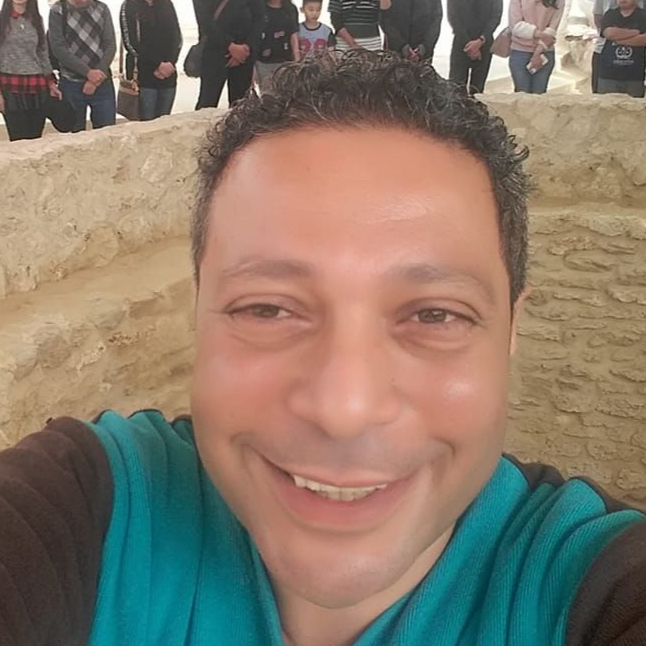
Ashraf Fares