
Egypt historical honeymoon vacation for 6 days
A private experience shaped around your time and interests.
★ 4.9 · 2,678 reviews on TripAdvisor · Licensed since 2001 · Free Cancellation
Six days. The two cities that define Egypt.
This honeymoon starts in Cairo — the energy, the history, the museum that holds four millennia of civilisation in one building. It ends in Luxor — the open-air museum, the temples at dusk, the West Bank cliffs.
Between those two cities, you'll spend six days at a pace that leaves room for the things a honeymoon actually needs: unhurried mornings, evenings that aren't scheduled, time to sit with what you've seen.
Highlights
- Grand Egyptian Museum — Tutankhamun's golden collection in the morning, at your own pace
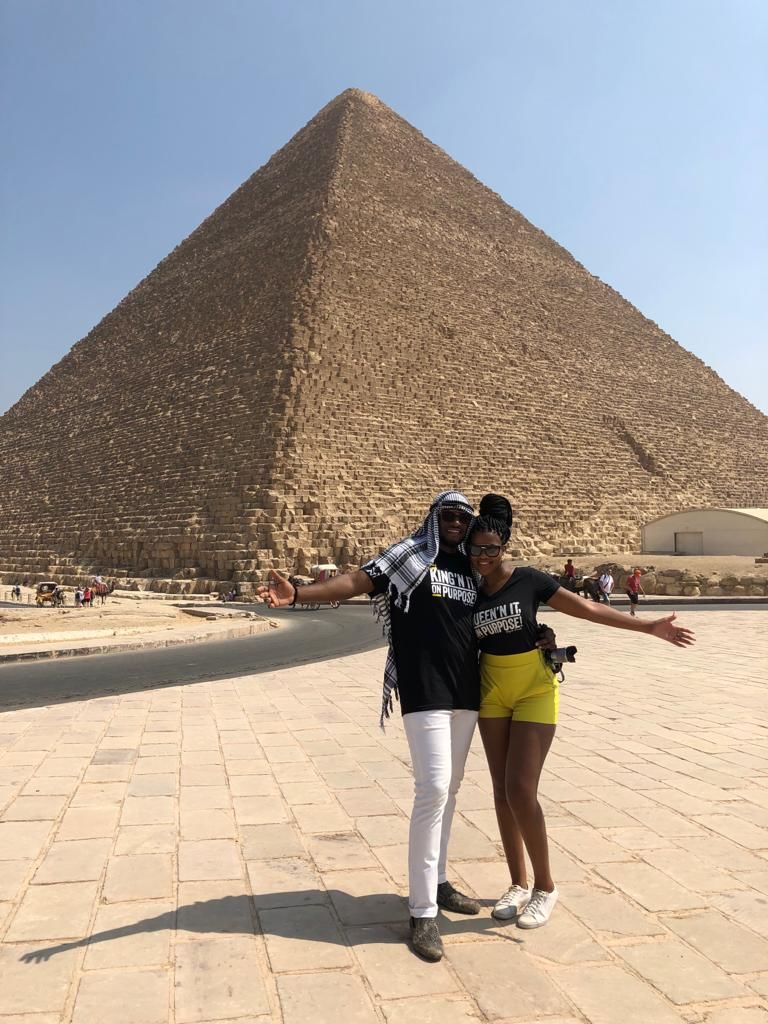
- Giza Plateau — the three pyramids and the Sphinx in morning light, before the midday crowds
- Old Cairo — the Hanging Church, Ben Ezra Synagogue, and the Roman foundations of Babylon
- Karnak Temple in the afternoon — 2,000 years of construction explained by your private guide
- Valley of the Kings — three royal tombs, including Hatshepsut's Temple at Deir el-Bahari
- Private vehicle and Egyptologist for all six days — no other travelers, your schedule
Who This Tour Is For
- This is your first time in Egypt, and you want to experience it properly, not at speed
- Six or seven days is your window, and you'd rather go deep on two cities than skim five
- You value private pacing over a packed itinerary
- History together is something you find meaningful, not obligatory
If you'd also like the Nile cruise experience, the 8-day Best Honeymoon Package adds that. Both are designed for couples — this one prioritises depth over breadth.
What Makes This Tour Different
- Two cities, genuine depth — three nights in Cairo and two in Luxor means neither city is rushed. No flying in and out of Aswan on the same day.
- Evening at the Pyramids — the optional Sound and Light Show at Giza is included as a recommendation on Day 3. For a first visit, seeing the Pyramids at night is a different experience from seeing them in the morning. Your guide will tell you whether it's worth your evening.
- The pace is set for two, not a group — site visits are timed to your rhythm, not a bus schedule. If you want to stay longer at a tomb in the Valley of the Kings, you stay longer.
- Afternoons left unscheduled — Day 2 afternoon in Cairo and the Luxor evenings are yours. Dinner recommendations provided; no one hovering.
What you will experience
Day 1 — Arrive in Cairo
Private airport transfer. Check in. Your first evening in Egypt — whether that means dinner at the hotel or a walk along the Nile is entirely up to you. Dinner recommendations provided.
Day 2 — The Grand Egyptian Museum
Your Egyptologist meets you at the hotel. The GEM is the starting point — and deserves the morning. Tutankhamun's treasures, properly explained, take at least three hours. Afternoon at leisure. Dinner recommendation: a rooftop restaurant with a Nile view.
Day 3 — Giza Plateau
The Pyramids in the morning — early enough to arrive before the day heats up and before most tour groups. All three complexes, the Sphinx from the south side, and the Solar Boat Museum, if you want it. Evening: optional Sound and Light Show at the Pyramids.
Day 4 — Fly to Luxor: Karnak & Luxor Temple
Morning flight. Private transfer to your hotel. Afternoon: Karnak Temple — the largest religious complex ever built. Luxor Temple at dusk, when the floodlights come on, and the scale of the place becomes something else entirely.
Day 5 — Luxor West Bank
The Valley of the Kings. Hatshepsut's Temple at Deir el-Bahari was built into the cliff face. Deir el-Medina — the village where the tomb-builders lived. Afternoon: optional felucca ride on the Nile.
Day 6 — Luxor, then onward
Relaxed morning. Optional visit to Karnak's open-air museum or a final walk through the bazaar. Private transfer to Luxor Airport.
Frequently Asked Questions
Is six days enough for a honeymoon in Egypt?
Six days covers Cairo and Luxor properly — the two cities with the greatest concentration of things worth coming to Egypt for. If you want more (Aswan, the Nile cruise, the Red Sea), the 8- and 9-day honeymoon packages include them. Six days works well for couples who are limited on annual leave or adding Egypt to a longer international itinerary.
What makes Egypt genuinely romantic as a destination?
Scale, privacy, and its unexpectedness. The sites are unlike anything else — genuinely awe-inspiring in a way that very few destinations are. With a private guide, at your own pace, Egypt is a qualitatively different experience from any group tour. Most couples describe it as more intimate and less crowded than they expected.
Are there romantic additions built into the itinerary?
The private model is the main one — no other travelers, the day shaped around the two of you. We can arrange a private Nile felucca at sunset in Luxor, a dinner at a Nile-view table in Cairo, or a private rooftop dinner near the Pyramids. Let us know what matters most when you enquire.
Is Egypt safe for a honeymoon?
Egypt's major tourist sites are stable, well-managed, and actively visited by international travelers. The friction points that cause problems for independent travelers — navigation, vendors, logistics — are handled entirely by your private guide. Most couples describe the country as significantly warmer and more welcoming than they expected.
Explore the tours above. Read the details. Ask questions if needed. Book only when it feels right.
How pricing works
Prices are based on:
- Group size
- Duration
- Inclusions listed on the tour page
You will always know what is included before booking. There are no surprise additions.