
7 Night Nile Cruise Itinerary from Aswan
A private experience shaped around your time and interests.
★ 4.9 · 2,678 reviews on TripAdvisor · Licensed since 2001 · Free Cancellation
Overview
Eight days on the Nile is not the same trip done slowly. It is a different trip entirely.
The cruise begins and ends in Aswan. It sails north to Luxor, spends two full days among the temples and tombs of the ancient capital, then returns south — stopping at Edfu on the way back — before closing with Abu Simbel on the final morning. The structure is a loop, not a line: you unpack once, and the river brings you to everything.
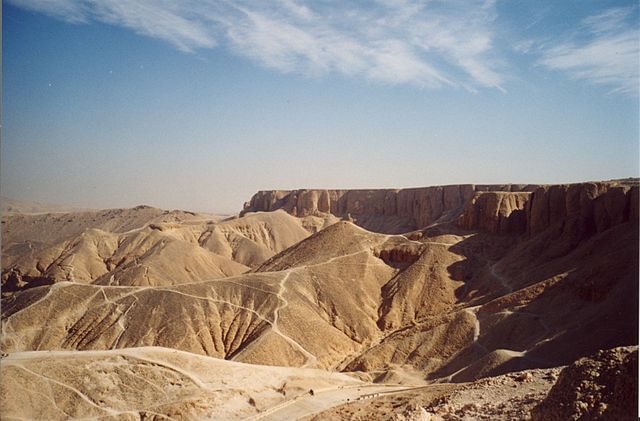
On a 3- or 4-night cruise, the temples arrive in rapid sequence, and the guide delivers context at speed because the ship is already preparing for the next dock. On a 7-night cruise, the schedule opens. There is a full day of sailing between Aswan and Luxor with no site visit at all — just the river, the sundeck, and the landscape shifting from granite to green. There is a morning at Luxor's West Bank when the Valley of the Kings is not a 90-minute allocation but a considered visit, choosing tombs based on what you have already seen and understood.
Your guide is private — the same Egyptologist from Philae on Day 1 through Abu Simbel on Day 7. Not the ship's group guide, not a microphone tour, not a different person at each site. By the time you reach Karnak, your guide has already walked you through Ptolemaic temples at Kom Ombo and the sacred island at Philae. The columns and obelisks connect to a thread built over days, not introduced in a 45-minute orientation. That continuity is the product.
Highlights
- Philae Temple — the island sanctuary of Isis, reached by motorboat across the reservoir. The most architecturally complete Ptolemaic temple in Egypt, on a setting no other site matches
- Kom Ombo — the dual temple for Sobek and Horus, visible from the ship as you approach the bend in the river. The crocodile mummy museum is attached
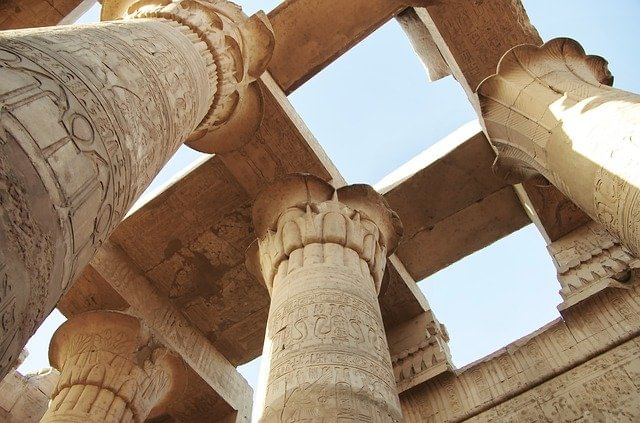
- Karnak Temple — the largest religious complex ever built, experienced as the culmination of five days on the river rather than a standalone visit
- Luxor Temple by night — illuminated after dark, a fundamentally different experience from any daytime temple visit in Egypt
- Valley of the Kings — three royal tombs with your Egyptologist, selected based on your interests and what you have already understood during the cruise
- Hatshepsut's Temple at Deir el-Bahari — the colonnaded terrace cut into the cliff, and the story of her erasure from the official record
- Edfu Temple — the most intact religious building in Egypt, arrived at by horse-drawn carriage from the riverside dock on the return south
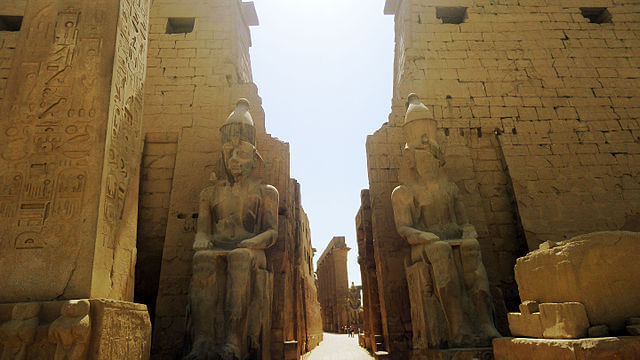
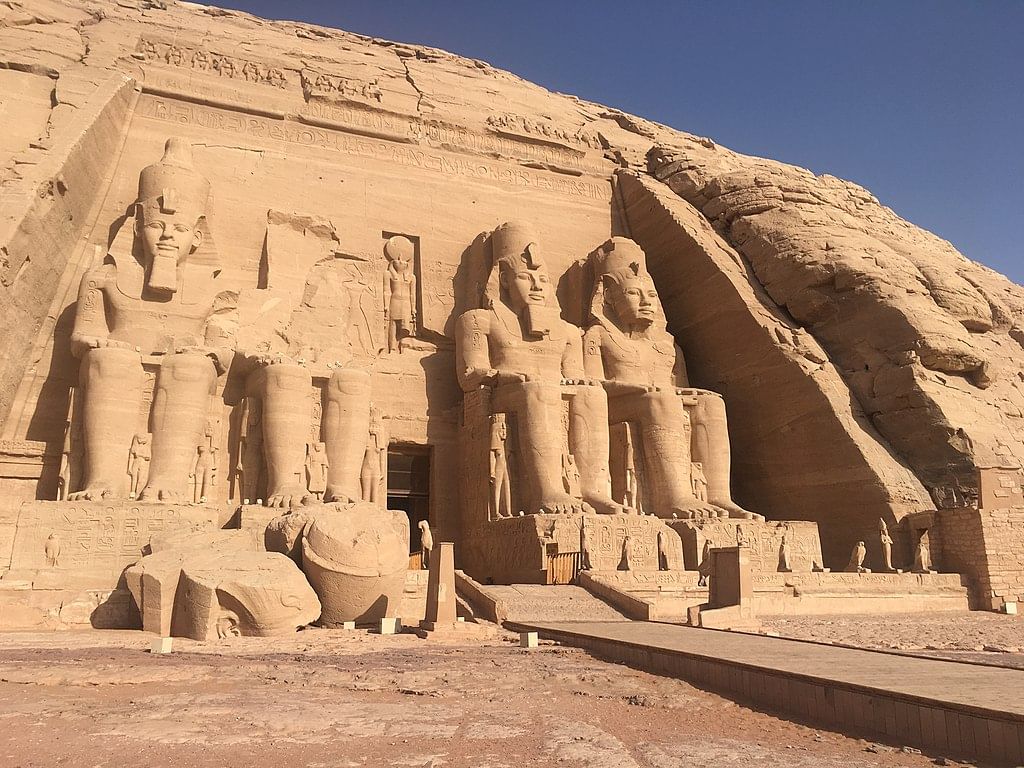
- Abu Simbel — the twin temples of Ramesses II, carved into the cliff face 280 km south of Aswan. Included in the cruise, not an optional add-on
- A full free sailing day — no temples, no schedule. The sundeck, a book, and the Nile between Aswan and Luxor
Who This Tour Is For
- First-time visitors to Egypt who want the most complete introduction to Upper Egypt available — every major temple between Aswan and Luxor plus Abu Simbel, with time to absorb each one
- Travelers who have the time and want to use it properly, rather than compressing the Nile into 3 or 4 nights
- Couples, families, and small groups who want a private Egyptologist without chartering a private vessel
- Anyone who has done a shorter Nile cruise and felt it moved too fast — this is the version that doesn't
What Makes This Tour Different
- Abu Simbel is included, not an add-on. Most 3- and 4-night cruises treat Abu Simbel as an optional extra at additional cost. This cruise includes the full Abu Simbel day trip — the twin temples of Ramesses II are part of the itinerary, not a surcharge.
- One private Egyptologist for all 8 days. Not a different guide per excursion. Not a rotating roster. The same person walks with you from Philae to Abu Simbel, building a cumulative understanding across the full sweep of Upper Egyptian history — Ptolemaic temples, New Kingdom royal tombs, and Ramesses II's monumental statement at the Nubian frontier. That thread is the product.
- A genuine free day on the river. Day 3 has no site visit. The ship sails north toward Luxor while you do nothing scheduled. This is not a gap in the itinerary — it is the day most travelers remember best. The Nile between Aswan and Luxor is not empty space between attractions. It is the reason the cruise exists.
- Round-trip from Aswan. You start and end in the same city. No one-way domestic flights to coordinate, no luggage transfer between cities. Fly into Aswan, cruise, fly out of Aswan. Simpler logistics and the return leg south — seeing the river in reverse, passing sites you now understand — are their own experiences.
- Morning arrivals before the crowds. On a longer cruise, the ship's schedule has slack. Your guide can take you to sites early in the morning, before day-tour buses and shorter cruises dock. At the Valley of the Kings, this matters enormously.
What You'll Experience
Day 1 — Arrive Aswan · Aswan Sites · Board the Ship
Private transfer from Aswan Airport or your hotel. Morning visits with your private Egyptologist begin immediately:
Aswan High Dam — the 20th-century engineering project that created Lake Nasser, ended the annual Nile flood, and forced the rescue of every temple between Aswan and Abu Simbel. Your guide connects this modern story to the ancient sites you will see over the next seven days — the temples that were saved, the ones that were lost, and the engineering ambition that links pharaonic Egypt to the 1960s.
The Unfinished Obelisk — a 42-metre granite monolith abandoned mid-carve when a crack appeared, still lying in the bedrock of the northern quarries. Your Egyptologist explains the quarrying methods that produced the obelisks now standing at Karnak — a direct physical link to what you will see in Luxor in three days.
Philae Temple by motorboat — the island sanctuary of Isis, built on a site so sacred that worship continued here for centuries after the rest of Egypt had abandoned the old religion. The UNESCO operation that dismantled and reassembled the entire complex on higher ground is itself a story your Egyptologist tells on-site. One of the most beautiful settings in Egypt: human scale, surrounded by water, and unusually complete.
Transfer to the cruise ship. Check in, settle into your cabin. Lunch and dinner on board. The ship remains docked in Aswan overnight.
Day 2 — Kom Ombo Temple · Sail toward Luxor
The ship sails north (downstream) in the morning. The landscape begins to shift — Aswan's granite outcrops giving way to cultivated banks and the green corridor of the Nile Valley.
Kom Ombo Temple in the afternoon — the dual temple built symmetrically for Sobek (the crocodile god) and Horus the Elder. Every architectural element on one side mirrors the other exactly. Your Egyptologist reads the twin sanctuaries in sequence, explaining the theological logic of housing two gods under one roof. The crocodile mummy museum is attached to the site — dozens of mummified crocodiles from the sacred Sobek cult. The temple sits on a bend in the river, visible from the ship as you approach — one of the few sites on the cruise where the architecture and the waterway form a single composition.
The ship continues sailing north after the visit. Dinner on board. Overnight on the cruise.
Day 3 — Free Day · Sailing to Luxor
No temple visit today. No schedule. The ship sails north through the full day toward Luxor.
This is the day the 7-night cruise earns its length. Breakfast at whatever time the ship serves it. The sundeck. The pool. A book. The banks of the Nile sliding past — palm groves, sugar cane fields, small villages, the occasional minaret. The light changes through the afternoon. The desert approaches the water on both sides, then retreats. Feluccas cross the river.
Most travelers expect to be restless on a day without sites. Most travelers are wrong. The river is not dead time between attractions. It is the experience the cruise is named after.
Lunch and dinner on board. The ship arrives in Luxor. [VERIFY — evening arrival or overnight sailing with morning arrival?] Overnight on the cruise.
Day 4 — Luxor East Bank: Karnak Temple · Luxor Temple by Night
Morning visit to Karnak Temple — the largest religious complex ever built, expanded by thirty successive pharaohs over 2,000 years. The Great Hypostyle Hall — 134 columns, the tallest reaching 23 metres — is the single most visually overwhelming interior in ancient Egypt. Your Egyptologist has been with you for three days by this point. The obelisks in the hall came from the quarries you saw in Aswan. The Ptolemaic additions connect to the style you read at Kom Ombo. Karnak is not a standalone monument — it is the central node of everything you have been building toward.
Return to the ship. Lunch on board. Afternoon at leisure in Luxor.
Evening visit to Luxor Temple — connected to Karnak by the recently restored Avenue of Sphinxes, and illuminated after dark. A fundamentally different architectural experience: smaller, more unified, built primarily by two pharaohs rather than thirty. The illuminated columns at night create something that daytime visits to any other temple do not replicate. Your Egyptologist walks you through the inner chambers while the forecourt glows behind you.
Return to the ship. Dinner on board. Overnight in Luxor.
Day 5 — Luxor West Bank: Valley of the Kings · Hatshepsut Temple
Early morning crossing to the West Bank. Valley of the Kings with your Egyptologist — three royal tombs, selected based on your interests and the context built over the previous four days. The shift from Ptolemaic temples (Philae, Kom Ombo) to New Kingdom royal tombs is not just a change of venue — it is a change of era, purpose, and visual language. The painted chambers underground bear no resemblance to the carved stone walls you have been reading at river level. Your guide makes the connection explicit.
Hatshepsut's Temple at Deir el-Bahari — the colonnaded terrace cut into the cliff face. The story of Egypt's most powerful female pharaoh and her systematic erasure from the official record by her successor is told most clearly here, where the defaced cartouches are still visible.
The Colossi of Memnon on the return — the two seated statues of Amenhotep III that once guarded a mortuary temple larger than Karnak. The temple is gone. The statues remain.
Return to the ship. Lunch on board. The ship begins sailing south (upstream), back toward Aswan. You are now retracing the river — seeing the same banks in reverse, in different light, with five days of context you did not have on the way north. Dinner on board. Overnight on the cruise.
Day 6 — Edfu Temple · Sail to Aswan
The ship arrives at Edfu on the return south. Edfu Temple in the morning, arrived at by horse-drawn carriage from the riverside dock — the most intact religious building in Egypt. Completed during the Ptolemaic period in a style deliberately reproducing ancient Egyptian architectural forms, a thousand years after the original tradition had peaked. The entrance pylon, 36 meters high, is what every other ruined pylon in Egypt once looked like. Inside, the inner sanctuary walls carry the complete mythological cycle of Horus and Set; your Egyptologist reads the sequence panel by panel — one of the most legible temple interiors in the country.
The ship sails south through the afternoon toward Aswan. The character of the river reverses — the green corridor narrowing, the granite returning. Dinner on board. The ship docks in Aswan overnight.
Day 7 — Abu Simbel
Early departure — approximately 3:00 AM by road from Aswan. The drive is 3 hours each way through the Nubian desert. The ship arranges a packed breakfast or an early breakfast on board. Dress warmly for the pre-dawn departure; it warms up quickly after sunrise.
Abu Simbel — the twin temples of Ramesses II, carved into the cliff face at the Nubian frontier 280 km south of Aswan. The Great Temple's four seated colossi — every 20 meters high — are the most recognizable images in Egyptian archaeology after the Pyramids. Inside, the temple extends 56 meters into the rock. The smaller temple, dedicated to Queen Nefertari, is the only temple in Egypt where a pharaoh's wife appears at the same scale as the pharaoh himself.
The UNESCO operation that cut both temples from the cliff and reassembled them 65 meters higher to save them from Lake Nasser is the second-greatest archaeological rescue in history, after the one at Philae, which you saw on Day 1. Your Egyptologist closes the loop: the same lake, the same international campaign, the same commitment to preserving what the dam would have drowned.
The early start is universally described as worth it. Return to the ship by early afternoon. Lunch and dinner on board. Final evening on the Nile.
Day 8 — Disembark in Aswan
Breakfast on board. Disembarkation. Private transfer to Aswan Airport for departure, or to your Aswan hotel if you are extending the trip.
How This Cruise Fits Your Egypt Trip
The most common structure: Cairo for 2–3 days (Pyramids, Grand Egyptian Museum), domestic flight to Aswan, 7-night cruise (round trip from Aswan), fly out of Aswan or return to Cairo. This is the most complete introduction to Egypt available in under two weeks. We build the full itinerary — flights, hotels, guided days, and the cruise — as a single package.
Because the cruise starts and ends in Aswan, your flight logistics are simpler than a linear Luxor-to-Aswan or Aswan-to-Luxor cruise: one city, one airport, one transfer point.
→ See Egypt tour packages with Nile cruise included
Considering a different cruise format?
- Shorter on time? The 4-Night Nile Cruise: Aswan to Luxor [UPDATE SLUG WHEN RENAMED] covers the core route in 4 days — same temples, faster pace, no Abu Simbel.
- Want a smaller vessel? The 5-Day Dahabiya Nile Cruise carries 8–16 passengers on a traditional wooden sailing vessel. Slower, quieter, and with access to stretches of the Nile that large ships cannot reach.
- Prefer a Lake Nasser cruise? The 4-Night Lake Nasser Cruise visits the rescued temples south of the High Dam — including Abu Simbel from the water — a perspective no road trip offers.
Frequently Asked Questions
Is a 7-night Nile cruise worth the extra time compared to a 3- or 4-night cruise?
The sites overlap significantly. The experience does not. A shorter cruise moves you through the temples efficiently; a 7-night cruise gives you time at each one, a full free day on the river, and Abu Simbel included rather than as an add-on. The difference is most noticeable at the Valley of the Kings (a considered visit rather than a timed allocation), at Edfu (a full morning rather than 90 minutes), and on the ship itself — where the sailing days create genuine rest rather than a relentless schedule.
Does this cruise end in Aswan or Luxor?
Aswan. The cruise is a round trip — you sail north to Luxor, spend two days at Luxor's temples and tombs, then return south via Edfu and Abu Simbel. Disembarkation is in Aswan on Day 8. This simplifies your flight logistics: fly into Aswan, cruise, fly out of Aswan.
Is Abu Simbel included in the price?
Yes. The Abu Simbel day trip (Day 7) is included in the cruise price — road transfer, entrance fees, and your private Egyptologist guide. Many shorter cruises charge Abu Simbel as an optional add-on. On this cruise, it is part of the itinerary.
Is the guide private for the entire 8 days?
Yes. Your licensed Egyptologist is assigned exclusively to your group for all site visits throughout the cruise — not a different guide per excursion, not the ship's group guide. The ship also provides its own on-board guide for group lectures and group shore visits. You have access to both. Use your private guide for the serious temple visits; the ship's guide provides general orientation on board.
Can I combine this cruise with Cairo?
Yes — this is the most common structure. Cairo for 2–3 days (Pyramids, Grand Egyptian Museum), domestic flight to Aswan, 7-night cruise, fly out of Aswan or return to Cairo. We build the full itinerary as a single package — flights, hotels, guided days, and the cruise. → See Egypt tour packages
What cabin category is included?
Standard double cabin with Nile view, ensuite bathroom, and air conditioning. Upper-deck and suite upgrades are available — ask when booking and we confirm availability and pricing for your travel dates.
What is there to do on the ship between site visits?
More than you expect. The sundeck has a pool, lounge chairs, and open views of the river. Meals are served at set times — Egyptian and international dishes. The ship has [VERIFY — lounge bar, spa, evening entertainment?]. But the real draw is the river itself: watching the landscape change, the light shift, the feluccas pass. Day 3 — the free sailing day — is consistently described by travelers as one of the most memorable days of the cruise.
What is the best time of year for a Nile cruise?
Peak season runs October through April — warm days (22–32°C), cool evenings, comfortable for temple visits. This is also the busiest and most expensive period. Low season (May–September) is significantly hotter (38–47°C), which affects comfort at open-air temple sites, but prices are lower, and ships are less crowded. We schedule temple visits for early morning year-round.
How does this compare to a Dahabiya cruise?
Different vessel, different experience. A standard Nile cruise ship carries 40–150 passengers with a pool deck, buffet dining, and a fixed schedule. A Dahabiya is a traditional wooden sailing vessel that carries 8–16 passengers — slower, quieter, and closer to the water. The sites visited are largely the same. The price difference is significant. For travelers who want intimacy with the river over convenience and facilities, the Dahabiya delivers something a standard cruise ship cannot. → See our Dahabiya cruises
Can the itinerary be adjusted?
The sailing schedule is fixed by the ship. What your private guide does at each site is flexible — tomb selection in the Valley of the Kings, time allocation at Karnak, and pacing at each stop. Tell us what matters most when booking, and your guide adjusts accordingly.
Cruise Facilities
- Nile-view cabin with private bathroom, bathtub, and air conditioning
- Sundeck with swimming pool and lounge chairs
- Restaurant (all meals included)
- Lounge bar
- LCD TV in the cabin
- Safe box in each cabin
- Laundry service and daily housekeeping
- Mini-bar and room service
- Gift shop
- Galabia party evening [VERIFY — does your ship do this?]
Explore the tours above. Read the details. Ask questions if needed. Book only when it feels right.
How pricing works
Prices are based on:
- Group size
- Duration
- Inclusions listed on the tour page
You will always know what is included before booking. There are no surprise additions.