
Private Nubian Village Tour from Aswan
A private experience shaped around your time and interests.
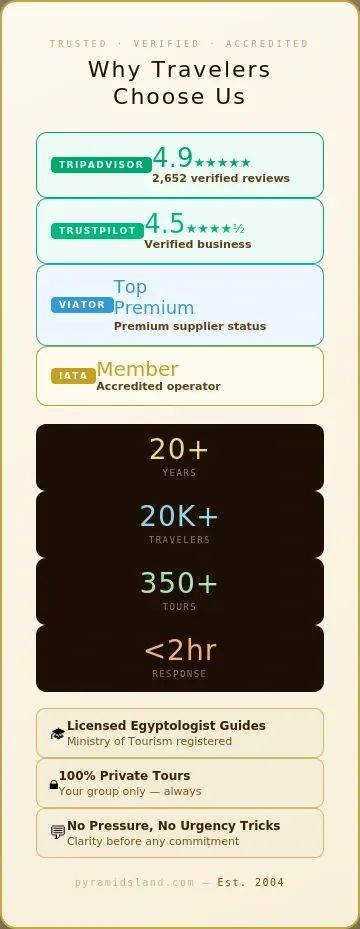
★ 4.9 · 2,678 reviews on TripAdvisor · Licensed since 2001 · Free Cancellation
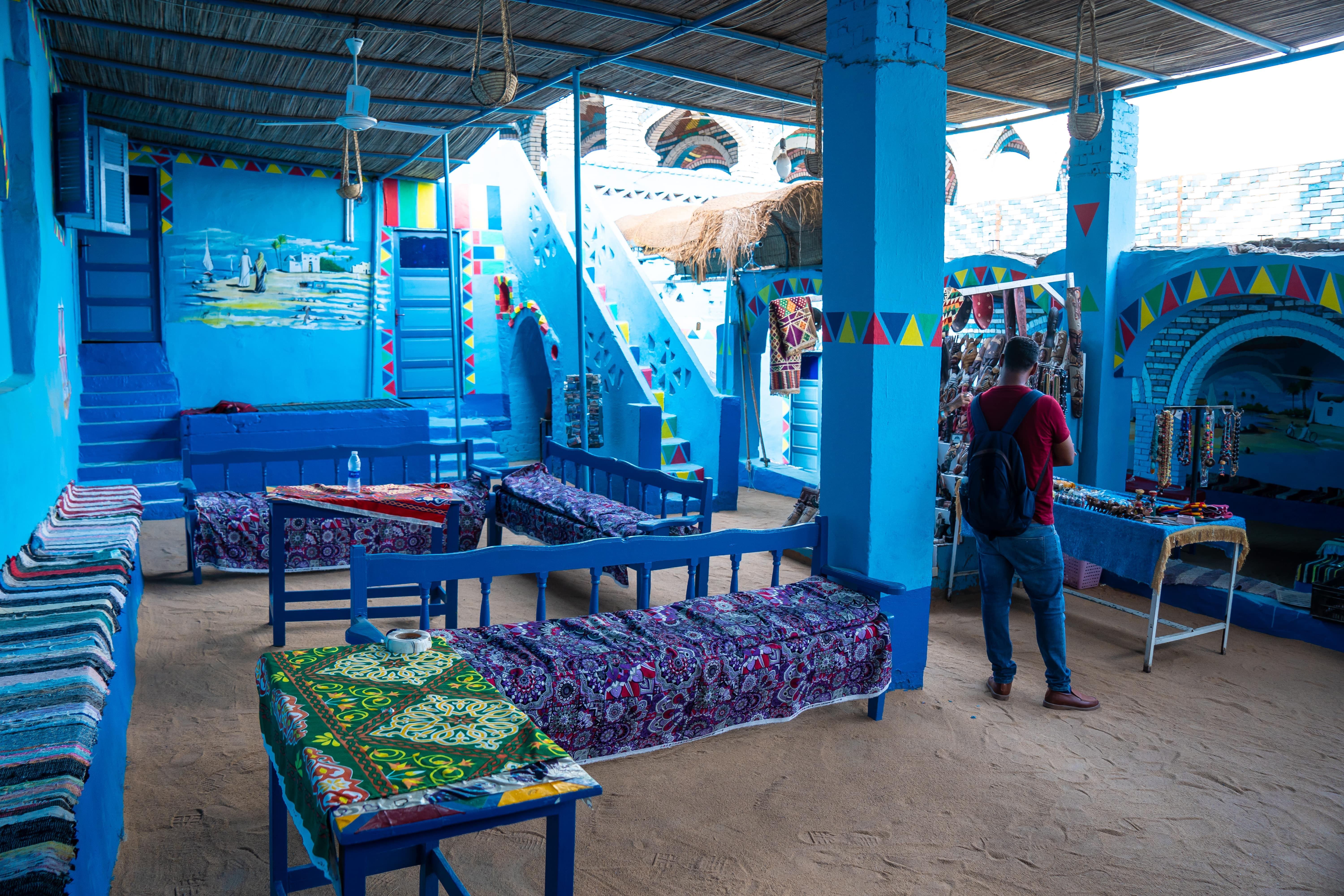
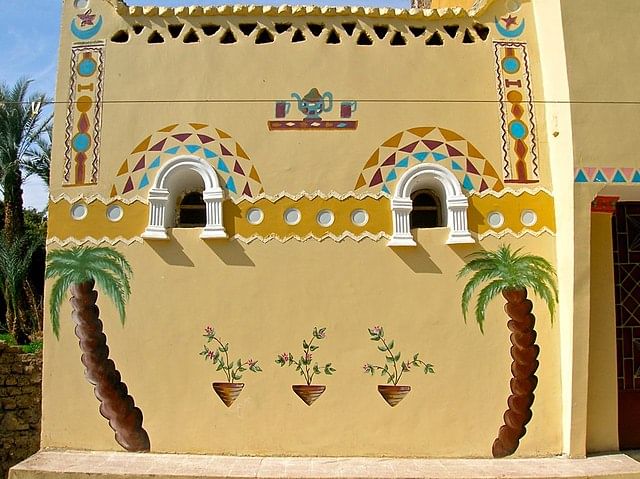
Nubian culture is distinct from Egyptian culture — in language, architecture, music, and daily patterns — and has been for thousands of years. The Nubians are among the oldest continuous civilizations in Africa, and the villages on the West Bank of Aswan are genuine communities, not tourist reconstructions.
This tour visits a West Bank Nubian village by motorboat, with a guide who explains the culture in context rather than narrating it from the outside. The painted houses, the community structures, the relationship between the village and the river — and the story of the communities displaced by Lake Nasser in the 1960s — are all part of what you encounter.
What the Tour Covers
The Nile crossing
The motorboat crossing from Aswan to the West Bank passes through the granite islands of the First Cataract. Your guide uses the crossing to explain Aswan's geography and the historical significance of the cataract as the traditional boundary between Egypt and Nubia.
The village
The painted houses of the Nubian village — distinctive in their use of color and decorative pattern, different from anything in the rest of Egypt — and the community spaces within it. Your guide introduces you to the cultural practices specific to this community: the role of the Nile in daily life, the changes brought by displacement from the original flood-plain villages, and the ways in which Nubian identity has been maintained despite significant historical disruption.
The tea stop
Tea in a Nubian home is not optional and not rushed. It is the point at which the visit transitions from observation to hospitality — a genuine cultural interaction, not a scheduled tourist moment. Your guide facilitates the introduction and translates as needed.
✦ The Nubian villages on the West Bank were not always here. Before the completion of the Aswan High Dam in 1971, Nubian communities lived along the Nile valley further south — in villages that are now under Lake Nasser. Over 100,000 people were relocated. The painted houses you visit in Aswan are second-generation homes, built after displacement. Inside many of them, the residents have painted images of the original villages on the walls — maps and portraits of places that no longer exist above water. Your guide will show you one, if the homeowner is willing. This is the kind of detail that makes a cultural visit mean something beyond the surface.
Common Questions
Is the Nubian Village visit culturally respectful?
Yes — the village visits we arrange are genuine community relationships, not paid performances. Photography is respectful and directed by your guide. We do not visit villages where the dynamic has become purely transactional.
Can the pacing or order be adjusted?
Yes — all tours are private. The itinerary adapts to you, not the other way around. If you want more time at one site and less at another, tell your guide.
Will there be pressure to buy anything? No. This is a private tour with no commission arrangements. Your guide will not redirect the itinerary for shopping stops.
Explore the tours above. Read the details. Ask questions if needed. Book only when it feels right.
How pricing works
Prices are based on:
- Group size
- Duration
- Inclusions listed on the tour page
You will always know what is included before booking. There are no surprise additions.