
Unveiling the Sands of Time: Dissertation Topics on the History and Culture of Egypt
Egypt is a land that is full of time-bound mysteries. There are no rich historical and cultural developments that have challenged scholars like Egypt. The country features magnificent pyramids. They showcase great architectural knowledge. The country is full of stories about great pharaohs, gods, and goddesses.
Human history shall forever be inscribed in the wonders of Egypt. Writing about the history and culture of Egypt requires a lot of preparation. It demands choosing the right dissertation topics. Entering into this scholarly journey can be exciting.

The dawn of civilization: Ancient Egypt
Architectural marvels beyond the pyramids
Many people speak about the great pyramids that dot Egypt. When writing a dissertation, the writer could explore the lesser-discussed marvels. There are temples, ancient culture, and the Valley of Kings to explore.
The role of the Nile in shaping Egyptian society
Civilization in Egypt was boosted by the presence of the Nile. A writer could focus on the river’s role in building community structures. They could focus on its role in trade, lifestyle, beliefs, and practices.
The history of Egypt as a dissertation topic
Writing about the history of Egypt should be approached with care. Knowledge about how to write an essay can help a student write an attractive dissertation. The writer may start by discussing the historical overview briefly. They may look into the language aspects of the Egyptians and their innovative aspects. Writing about the role of culture in Egypt’s development and trade is crucial. Different resources can offer valuable information to help write the best quality paper. Important resources include online help by dissertation writing services. They offer access to experienced professional writers who work closely with students.
Chronicles of power: Pharaohs and politics in ancient Egypt
The pharaoh’s divine rule: A political and religious fusion
In Egypt, pharaohs played the role of gods, kings, and religious rulers. Providing an analysis of how pharaohs influenced people’s life and business is important. Their divine rule provided strategies for developing government structure and civilization.
Famous pharaohs and their legacies: from Narmer to Cleopatra
Egypt has a record of a long list of pharaohs who ruled at different times. Some of the most famous rulers were.
● King Narmer
● Thutmose III
● Ramesses II
● Cleopatra
● Khufu
● Seti I
It is important to understand their personal, religious, and political lives. Compare how their lives relate with other renowned rulers such as the Roman Caesars.
The legacy of hieroglyphs: Language and literature
Deciphering hieroglyphs: The Rosetta Stone’s role
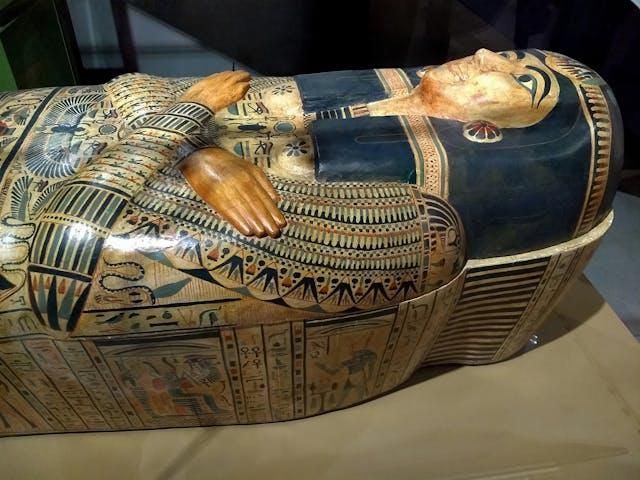
Egypt was one of the civilizations that developed the earliest forms of writing. They used a complex writing system known as Hieroglyphs. This writing used pictures, symbols, monuments, and other common items. In 1799, the Rosetta stone was discovered. The stone helps scholars understand the Egyptian writings.
Ancient Egyptian literature: Tales of magic, morality, and everyday life
Egyptian literature is intertwined with a lot of beliefs and myths. Some important literary works include The Book of the Dead and The Tale of Sinuhe. They offer deeper knowledge about the culture and spiritual lifestyle of Egypt.
Crossroads of cultures: the Greco-Roman influence on Egypt
Alexandria: A melting pot of Hellenistic and Egyptian cultures
During the Greco-Roman rule, Egypt merged its culture with several other cultures. Alexandria City was an important point for combining these cultures. One of the greatest records about how these cultures changed is contained in the Alexandria Library.
Cleopatra vii: The last Pharaoh and her role in Roman politics
Cleopatra VII was known as the last pharaoh of Egypt. She played an important role in influencing the politics of Rome. They had strong political relationships with Julius Caesar of Rome. These relationships led to the combination of Roman and Egyptian cultures.
Beyond the pharaohs: Islamic and modern Egypt
The Arab conquest and its impact on Egyptian society
Arabs began to rise and conquer Egypt. By the 7th century, Egypt was under Arab rule and Islam was introduced. Everything in Egypt changed starting with religious beliefs and culture. The identity of Egypt was never the same again.
Egypt in the modern era: Nationalism and revolution
Modern Egypt is going through a lot of influences. In the 18th and 19th centuries, British occupation had a significant impact. After independence, Egypt is still struggling with a lot of issues. Coming from a global perspective, the country must come out strong and resilient. Today, the Arab Spring has key influences on the country’s culture.
Conclusion
Egypt has gone through a lot of changes in culture, religion, and politics. Its history and civilization offer an abundance of possible dissertation topics. Anyone keen to dig deeper can get a lot of inspiration. Exploring different topics about Egypt and its civilization can help writers create information-filled papers.
Ashraf Fares