40 Most Important Ancient Egyptian Symbols: Complete Guide with Meanings & Hidden Powers

Ashraf Fares • November 30, 2021

***Edited February 15, 2026

Introduction

The symbols of Ancient Egypt have been around for thousands of years. This blog post will introduce you to some of the most famous symbols and explain them. Although you might not believe that symbols like "dwelling" can be read in many ways, it is among the most common on Egyptian tomb walls and other ancient structures. What does this symbol mean? We don't know! Enjoy this blog post!


understand Egyptian symbols like the ankh

Ancient Egyptian symbols served as more than mere decoration. They were the keys to understanding a civilization that thrived for over 3,000 years along the Nile River. These sacred symbols, carved into temple walls, painted on tomb ceilings, and cast into precious amulets, represented the very essence of Egyptian thought—a fusion of the spiritual and material worlds.

The Egyptians believed that symbols contained heka, or magical power. A properly inscribed symbol could protect the living, guide the dead, and even compel the gods themselves to action. This is why you'll find the same symbols appearing again and again across different contexts: on a pharaoh's crown, in a commoner's amulet, decorating a sacred barque, or marking the entrance to a tomb.

Understanding these symbols is essential for anyone who wants to appreciate Egyptian culture truly. When you visit the Valley of the Kings or walk through the temples of Karnak, you're not just seeing ancient architecture—you're surrounded by a sophisticated visual language that once communicated profound truths about life, death, and the cosmos.

In this comprehensive guide, we'll explore 40 of the most important and frequently encountered Egyptian symbols. You'll learn their meanings, their connections to specific gods and goddesses, and how they were used in both daily life and sacred rituals. Whether you're planning a trip to Egypt or simply fascinated by ancient civilizations, this guide will help you decode the pharaohs' symbolic language.

What Did Ancient Egyptian Symbols Mean?

Egyptian symbols operated on multiple levels simultaneously. A single symbol could represent a physical object, an abstract concept, a deity, and a magical spell all at once. This layered meaning reflects the Egyptian worldview, which saw no separation between the material and spiritual realms.

Physical Representation: Many symbols began as stylized drawings of real objects. The ankh may have originated as a sandal strap, the djed as a bundle of reeds, and the was scepter as a staff topped with an animal head. Over time, these physical objects accumulated deeper meanings.

Divine Associations: Nearly every major symbol was connected to one or more gods. The scarab beetle belonged to Khepri, the morning sun god. The eye symbols represented both Horus and Ra. The cobra uraeus embodied the protective goddess Wadjet. By wearing or displaying these symbols, Egyptians could invoke divine protection and favor.

Abstract Concepts: Symbols expressed ideas that were difficult to convey in words alone. The ankh meant life—not just biological existence, but eternal life and the life-giving power of the gods. The shen ring represented infinity and protection. The feather of Ma'at embodied truth, justice, and cosmic order.

Magical Functions: The Egyptians believed that properly rendered symbols had inherent power. A painted eye of Horus on an amulet could actually heal. A djed pillar inscribed on a coffin could give the deceased the strength to stand in the afterlife. This wasn't mere superstition—it was a sophisticated system of symbolic magic that permeated every aspect of Egyptian life.

Context Matters: The meaning of a symbol could shift depending on where and how it appeared. A cobra on a royal crown signified sovereignty. A cobra wrapped around Ra's sun disc represented the dangerous eye of Ra. A cobra amulet protected against snakebite. Same symbol, different contexts, different specific meanings—though all connected to themes of power and protection.

Evolution Over Time: Egyptian symbols weren't static. They evolved over the civilization's 3,000-year history. The scarab began as a modest symbol of transformation in the Old Kingdom and became one of the most powerful talismans of the New Kingdom. The ankh started as a hieroglyph meaning "life" and gradually became the preeminent symbol of eternal life and divine power.

Understanding this multilayered approach to symbolism helps explain why the ancient Egyptians invested so much effort in carving, painting, and crafting these images. They weren't just decorating—they were inscribing power, invoking gods, and shaping reality itself through the manipulation of sacred symbols.

Materials Used to Create Ancient Egyptian Symbols

The materials chosen for creating Egyptian symbols were never random. Each substance carried its own symbolic meaning and magical properties, carefully selected to enhance the power of the symbol it formed.

Gold (Nebu): Considered the flesh of the gods, gold was reserved for the most sacred symbols. Royal cartouches, divine statues, and pharaohs' death masks were gilded or made entirely of gold. The metal's eternal luster represented immortality and divine nature. Most spectacular examples: King Tutankhamun's golden death mask featuring the uraeus and nekhbet symbols.

Lapis Lazuli: This deep blue stone, imported from Afghanistan, symbolized the night sky and divine power. It was particularly associated with the sun god Ra and the sky goddess Nut. Lapis lazuli was often used for scarab amulets and eye of Horus talismans, as its celestial blue enhanced their protective properties.

Turquoise (Mafkat): Sacred to Hathor, turquoise represented joy, celebration, and the life-giving waters. Turquoise ankh amulets were especially popular, as the stone's color enhanced the symbol's association with life and vitality.

Carnelian: This reddish-orange stone symbolized blood, life force, and protection against evil. Carnelian tyet (Isis knot) amulets were placed on mummies to harness Isis's protective power. The stone was believed to preserve blood and prevent excessive bleeding.

Limestone and Sandstone: The practical choice for temple carvings and tomb reliefs, these stones made symbols permanent. Though less precious than metals or gems, their durability ensured that sacred symbols would endure for eternity. The quality of carving mattered more than the material—a perfectly rendered limestone ankh held more power than a crude gold one.

Faience: This glazed ceramic material, usually colored brilliant blue or green, allowed common people to afford powerful symbol-amulets. Faience eye of Horus charms were produced by the thousands and worn by Egyptians of all social classes.

Wood: Used for portable symbols like miniature djed pillars and model boats. Wood from sacred trees (especially sycamore, connected to Hathor and Nut) added spiritual potency.

Papyrus: The writing surface par excellence, papyrus made it possible to reproduce symbols in texts, spells, and funerary documents. The Book of the Dead manuscripts, covered in protective symbols, were usually written on long papyrus scrolls.

The choice of material wasn't just about cost or availability—it was another layer of meaning, another way to amplify the symbol's inherent power.

Symbols in Egyptian Art & Architecture

Egyptian art and architecture are inseparable from symbolic meaning. Every element—from the overall structure of a temple to the smallest decorative detail—was chosen to convey specific religious and magical messages.

Temple Architecture as Symbol: Egyptian temples themselves were giant symbols. The pylon gateway represented the horizon (akhet), the location where the sun rose and set. The temple's inner rooms got progressively darker, symbolizing the journey from the created world into the primordial darkness. The holy of holies, where the god's statue resided, represented the moment before creation.

Column capitals were carved as lotus flowers, papyrus reeds, or palm fronds—symbols of Upper Egypt, Lower Egypt, and eternal life. Painted ceiling stars (seba) reminded viewers that the temple was a microcosm of the universe.

Tomb Decoration Programs: Tomb art wasn't random or merely aesthetic. Symbol placement followed strict rules based on magical efficacy. The ankh appeared frequently in the hands of gods, offering life to the deceased. The djed pillar was painted on coffin floors, where the deceased's spine would rest, magically giving them strength to rise.

The walls of royal tombs were covered with funerary texts like the Book of the Dead, featuring hundreds of protective symbols. Each symbol served a specific purpose in the journey through the underworld: the scarab for transformation, the eye of Horus for healing, the feather of Ma'at for judgment.

Statuary and Relief Carving: Statues of pharaohs and gods were covered in symbolic regalia. The pharaoh's crowns, scepters, crooks, and flails weren't mere decorations—they were symbols of power that magically confirmed and enhanced royal authority. Gods were shown holding their characteristic symbols: Isis with the tyet knot, Ra with the sun disk and uraeus, Osiris with the djed pillar.

Amulets as Miniature Sculptures: Craftsmen created thousands of small amulets bearing powerful symbols. These ranged from simple faience ankh charms to elaborate gold pectoral collars featuring multiple interlocking symbols: scarabs pushing the sun, the eye of Horus providing protection, djed pillars offering stability.

Symbolic Color Use: Colors themselves were symbolic. Red represented life force and danger. Blue and green meant fertility and rebirth. Gold represented divinity. Black indicated fertility (from Nile silt) and resurrection. White meant purity. Artists carefully selected pigments not just for aesthetic effect but for magical potency.

Hieroglyphic Integration: Many architectural elements doubled as hieroglyphs. The lotus column was simultaneously a structural support and the hieroglyph meaning 'growing' or 'emerging.' The ankh appeared both as a hieroglyph and as a carved relief. This dual function made the entire building into a readable text, a prayer in stone.

The result was a total symbolic environment where art, architecture, text, and magic merged into a unified whole.

Astrological & Celestial Connections

The ancient Egyptians were sophisticated astronomers, and their symbols reflected an intimate connection with celestial phenomena.


Solar Symbols The sun dominated Egyptian religious thought, and numerous symbols embodied its power:

  • The Scarab (khepri) represented the rising sun. The Egyptians noticed dung beetles rolling balls of dung and saw a perfect metaphor for the sun god Khepri rolling the solar disk across the sky.
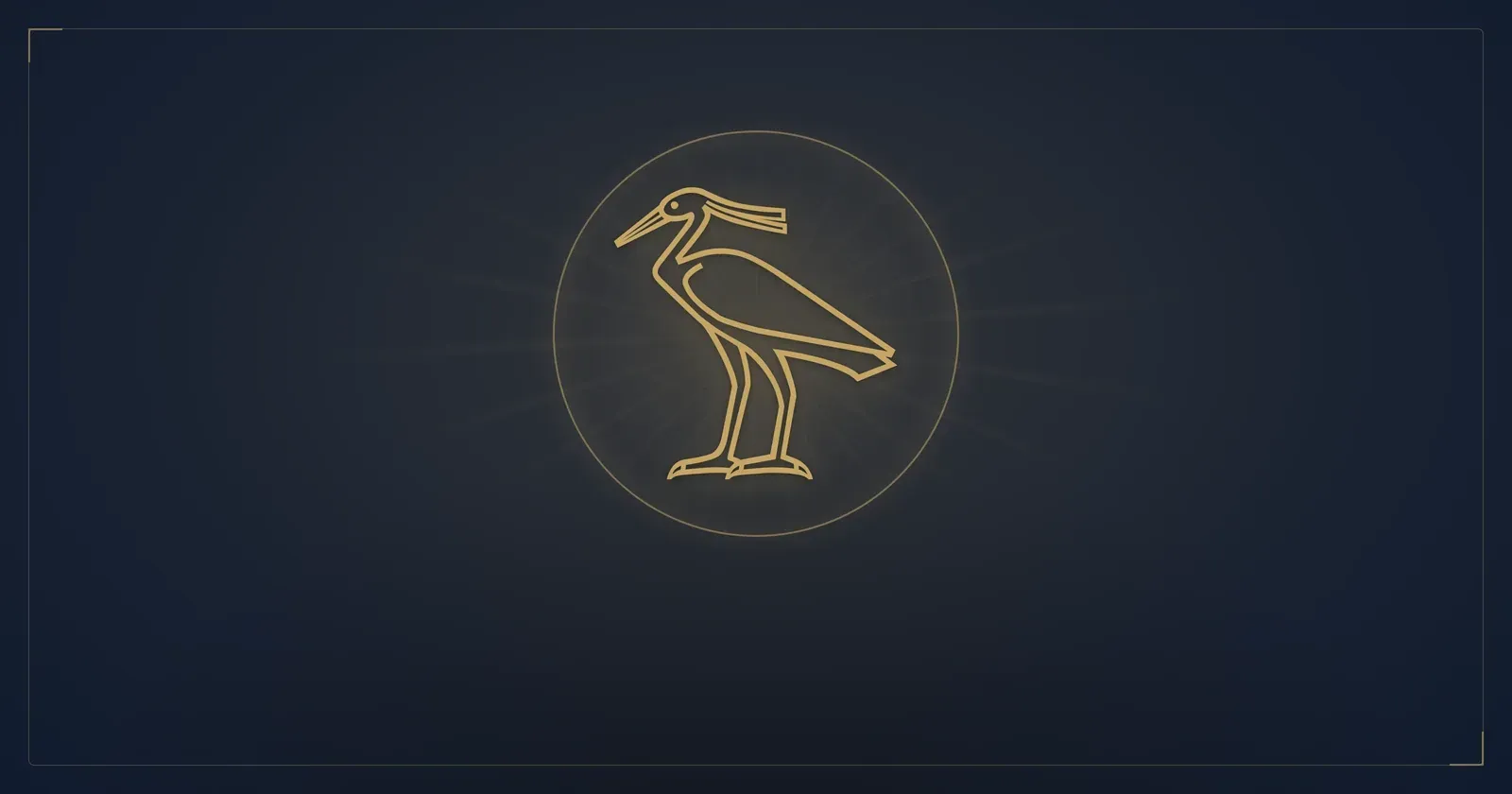
  • The Bennu Bird (phoenix) embodied the sun's daily cycle of death and resurrection. Like the sun, it died each evening and was reborn each dawn.
  • The Winged Sun Disk showed the sun's journey across the sky, protected by outstretched wings. This symbol appeared above temple doorways, magically protecting the sacred space within.
  • The Aten (sun disk) represented the physical sun itself, particularly during the Amarna Period when Akhenaten promoted sun worship.


Lunar Symbols The moon, though less prominent than the sun, had its own symbolic language:

  • The Crescent represented the waxing and waning moon, associated with Thoth and Khonsu, the moon gods. It symbolized the cyclical nature of time and divine wisdom.
  • The Eye of Horus was connected to the lunar cycle. The loss and restoration of Horus's eye paralleled the moon's phases.


Star Symbols

  • The Seba (star) symbol decorated temple ceilings, representing the souls of the deceased who had become stars. Certain stars marked important ritual dates. Sirius (Sopdet), the brightest star, heralded the Nile's annual flood.
  • The Nut (sky goddess) was depicted as a woman arched over the earth, her body covered in stars. She swallowed the sun each evening and gave birth to it each morning.


Cosmic Order

  • The Akhet (horizon symbol) represented the place where earth met sky, where the sun was born each day. It symbolized the liminal space between the created world and primordial chaos.
  • The Duat (underworld) was imagined as a reverse sky through which the sun journeyed at night, fighting chaos serpents and bringing light to the dead.

The Egyptians didn't separate astronomy from religion. Every celestial phenomenon had a divine meaning, and symbols captured these connections. Understanding the skies helped Egyptians align their temples, time their festivals, and navigate the conceptual geography of the afterlife.

Ankh (life symbol)

Ankh, life symbol | Ancient Egyptian Symbols

The ankh is a very significant symbol in ancient Egypt. Its hieroglyphs, translated to English as "the key of life," literally mean eternal life and have long been associated with rituals performed by priests or royalty meant for everlasting existence on Earth. The general etymology of the hieroglyphs that make up this particular sign translates to words such as Khepera (to become), which are said to represent thoughts from Earth's material plane becoming manifest upon the physical matter. It can be seen in many paintings from dynastic periods. They often appear as a representation of burial ceremonies and Osiris, who had long-held beliefs about fertility after death. In fact, at one time, it was called the "key to life" because its connections with Osiris made people believe they could come back again for another birth or even live on through their children if any were left behind by accident; it was something Egyptians took very seriously considering how unpredictable childbirths tended to be before modern times!.

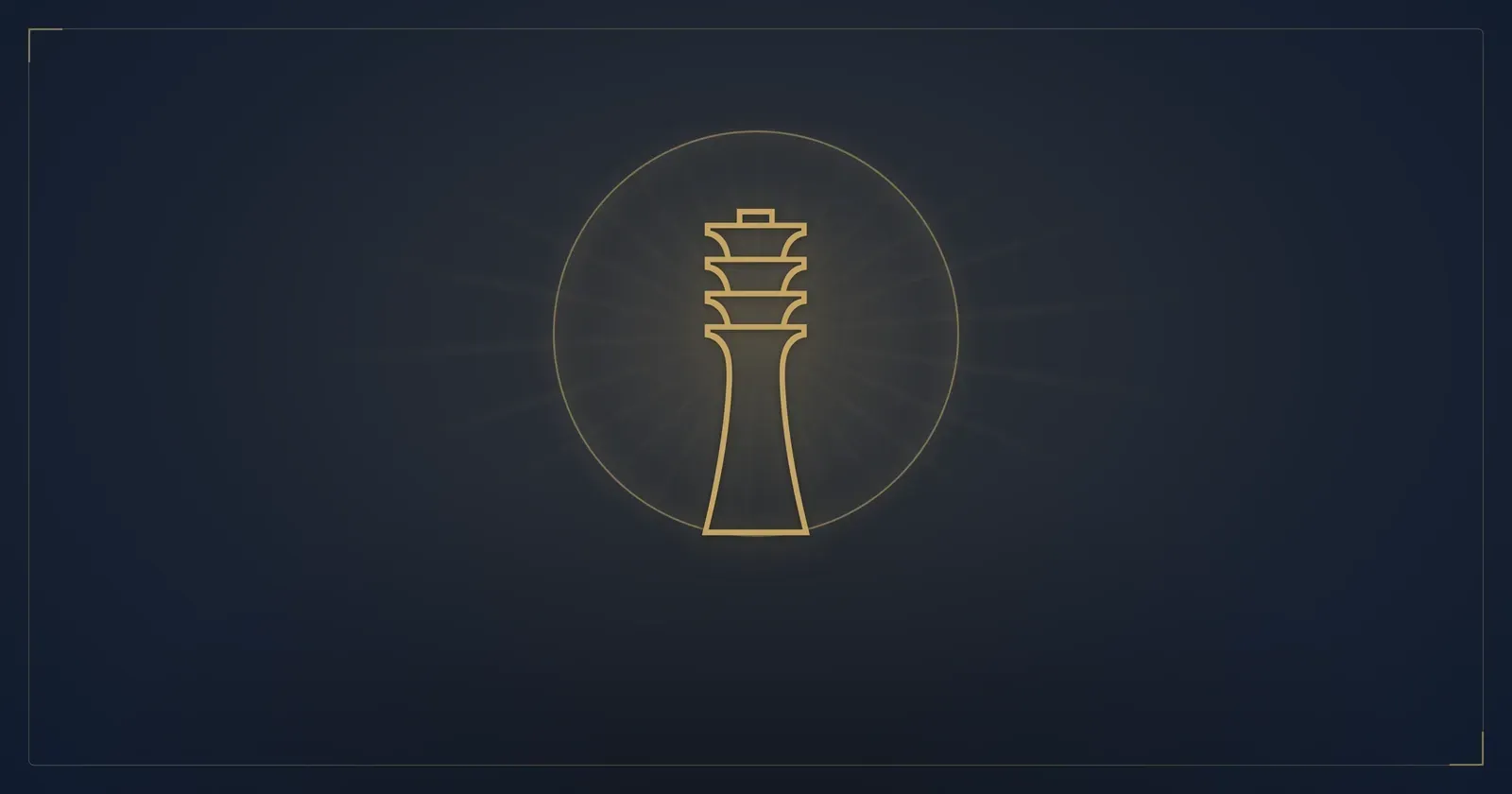
Djed pillar symbol

Djed pillar

If you’ve ever looked at the spines on a book, then it should be easy to imagine what this word means: “Djed” actually translates to the backbone in English, and they have been used as symbols or for many years hieroglyphs representing strength and power. For some time now, one has seen them displayed prominently near temples and pyramids throughout Egypt, which leads us all to ask who these structures were built by? And it represents the long, linear shape we see in our spine, a sturdy pillar that holds up all weight placed on top of it while also being flexible enough to bend with us when needed. This powerful image imbued the Djed with themes about rebirth and regeneration since they were closely related qualities at one time before many followers shifted focus towards more abstract concepts like peace or balance over time - which are still two common interpretations today!

Wadjet Eye (Eye of Horus)

Eye of Horus wadjet

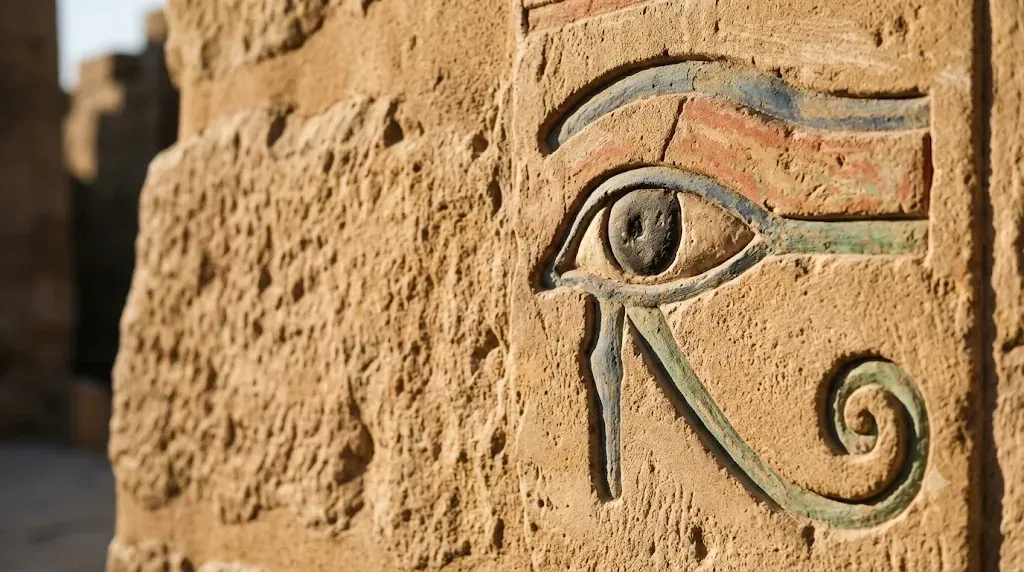
The Eye of Ra is the most famous ancient Egyptian symbol, and it was used as an amulet to protect from evil spirits, disease, harmful animals, and envy. The Eye includes gold which represents sacrificial qualities because people would offer sacrifices for the gods to grant their wishes. It also has features from god Ra that represent curing abilities because frequently, Egyptians sought help with healing ailments or just getting rid of bad luck through offerings made by this sphere.

The Eye of Horus, an ancient Egyptian symbol and amulet depicting the Eye of a falcon-headed god, was used by Egyptians to protect Pharaohs from harm in their final resting place. The first time it was employed as a spell for life restoration happened when Horus used Isis to bring his old man Osiris back into this world after being killed by Set.

In Ancient Egypt's later years, many people wore amulets bearing the Eye or scratched its image onto various surfaces since they believed that doing so would help them avoid injury and other types of mishaps during daily life - not just death at burial sites like those found near Kings' tombs where you might expect such charms!

Eye Of Ra symbol

Eye of Ra

The Eye of Ra symbol is an ancient Egyptian icon, known by many names and with origins shrouded in mystery. It has been speculated to be the right eye of Horus or a representation of different goddesses like Hathor, Wadjet, Mut, Sekhmet, and Bastet, which were all seen as personifications of power under the protection of Ra.

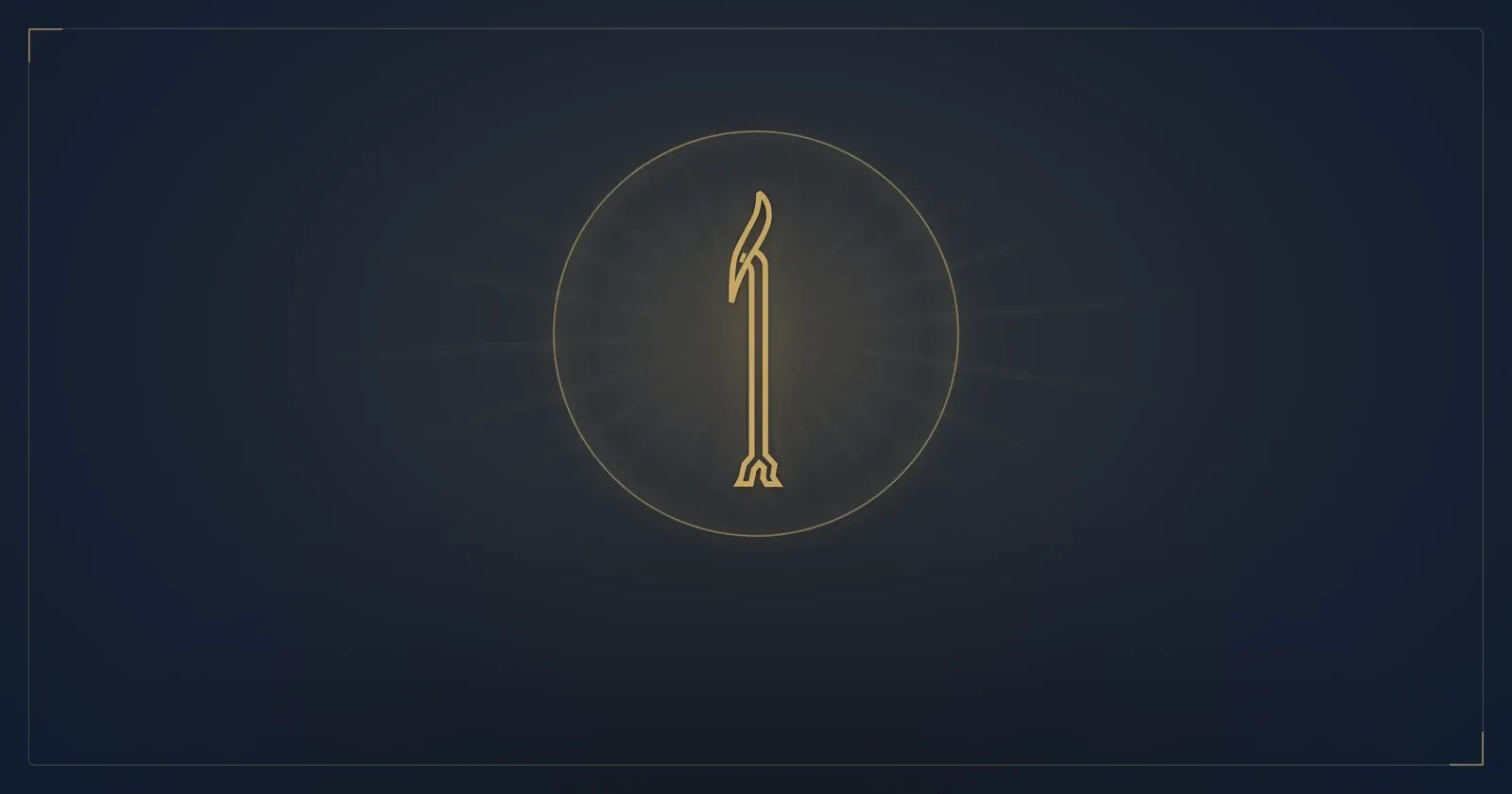
Symbol for "Was"

Was scepter

The Egyptian culture is rich with symbolism and idol worship. The 'Was Scepter' was one such object; it represented power in ancient Egypt for both gods and the king of that time itself. It had a straight shaft, crooked handle shaped like an animal head representing Seth's distorted face at its top end, and a forked base mirroring his strange feet below to show how twisted he was


The 'Was scepter' symbolized power in Ancient Egypt during their god-king era due to its association with the dominion of deities over mortals while also ensuring the king's prosperity through continuance on earth.

The Scarab Beetle symbol

Scarab beetle amulet

The Egyptian Scarab Beetle symbolized death, rebirth, and great power. It guided the people in their afterlife and protected them from demons seeking to harm them at night. A scarab amulet could be worn by anyone living or dead for protection against evil forces that lurked during the dark hours when one is most vulnerable. All shapes were available such as heart-shaped seals called talismans, which would draw good luck into one’s life, while others had wings so they might fly up above with Horus, who protects souls on earth from being snared away back down below where light cannot see it.

As humans go about their daily lives, some are mindful of these enchantments around us. Still, many neglects this wisdom left behind long ago.

Cartouche symbol

Cartouches

A cartouche is an ancient Egyptian hieroglyphic nameplate. It symbolizes protection from evil spirits. They are known for their sun-like shape and originally had a circular oval with a horizontal bar. Still, the design was later changed to represent a circle because of its religious significance and how it looks aesthetically pleasing on artworks or buildings. The cartouche is also symbolic of the ouroboros. It is a snake biting its tail to achieve immortality and represent rebirth.

Sensen (Lotus symbol)

Lotus symbol

The lotus plant is a symbol of rebirth in Egyptian culture. For example, the white and blue variety was both used to represent unification during times when Egypt was split into two kingdoms because it reminded them of being whole again. The flowers would also be immersed in fatty substances like oil or wax for their fragrant smell; these smells are still found today!

The ancient Egyptians had a solid connection to the lotus flower. The Lotus Flower represents renewal by representing new beginnings, such as birth from death and the next reincarnation. The flower blooms up out of the water, which can resemble blood (due to red being one of its colors). In Ancient Egyptian Culture, there were two main types- White & Blue Lotuses. They represented unity between dual nations that had been divided due to warring factions back then.


Papyrus symbol

Papyrus plant | Ancient Egyptian Symbols

Papyrus plants were a symbol of Lower Egypt, and they had many uses in ancient times. The plant's leaves are tough enough to be used as paper, while the stems can be woven into mats or basketry. Egyptians also use it for manufacturing clothing items such as sandals due to their natural durability against water damage from rainstorms comparable only to hemp cloths, which make up 85% of what we know today as clothes on earth!


Papyrus was once considered sacred by locals because their papyruses made them feel closer to gods. These sheets were created through the very hands of those same deities themselves. This veneration explains why papyri have been found all over Ancient Egyptian temples throughout history despite being an organic material. Read more about papyrus.

Uraeus symbol

Uraeus | Ancient Egyptian symbols

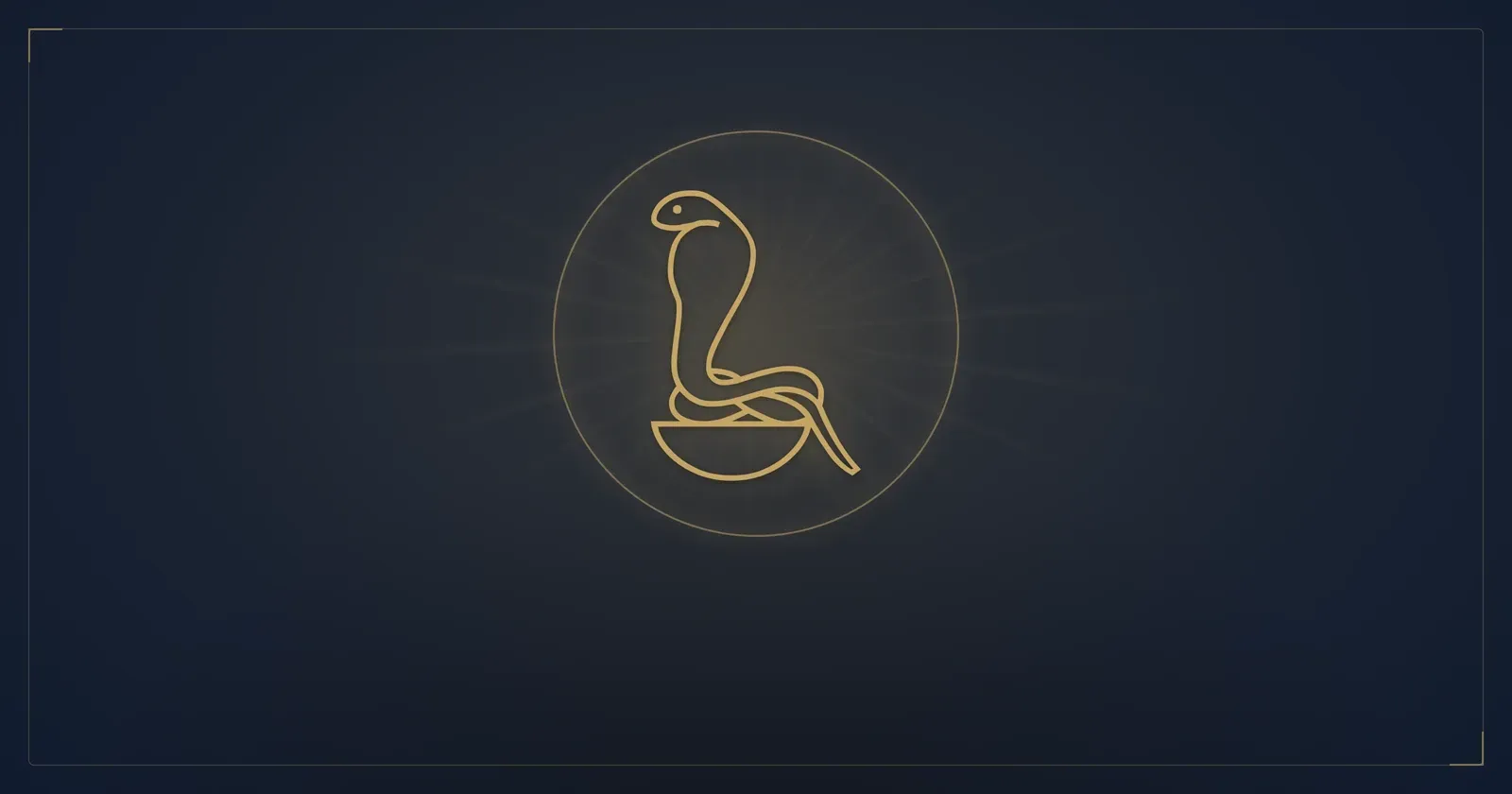
Uraeus is a rearing cobra that has become an important symbol associated with Ancient Egypt's Gods, Goddesses, and Pharaohs. The Greeks called it 'uroæus' which means "tail snake." Legends say this was because when she emerged from her egg as a new creature in the world's first dawn light on Nut (the sky), one of her coils had been looped around to form a circle or protective shield thus. Tail snakes were born. However, this legend isn't accurate since uraei are not serpents; they're land urchins usually found along seashores, but their resemblance to coiled snakes made them apt symbols nonetheless!

The Uraeus cobra symbol was a characteristic of the pharaohs, an object that embodied magical powers and offered protection. It is said that Geb gave this to the Pharaoh as a sign of kingship when he first took control over Egypt.

The symbol KA >> Human entity

Ka Symbol | Ancient Egyptian Symbols

Ancient Egyptians believed that ka was the life force or spiritual power of a person. Ka also represented an afterlife form in which spirits would live after death and could be seen as-is. Without any need to disguise themselves with masks like they did while living on earth. The consort of the child is often depicted as being another child - symbolizing fertility. Their old man has been made into an image identical to himself at his prime age. This one may not wear a beard or mustache, but he might have plaited hair extending from under his wig over each shoulder where it touches either arm.

All Egyptians wanted to live forever, which was their way of doing so. First, they mummified the body with oils or resins. They then placed it in a burial chamber filled with offerings for their Ka, an eternal place that would only be left through the false door when entering the shrine. Statues were often made if they had artistic skills because these could act like replacements instead of being stolen from tombs by thieves looking for easy treasure troves.


The ka is a symbol of the life force. In hieroglyphs, it's typically portrayed as arms stretched up or forward in an empowering gesture.

The symbol BA >> Human entity

Ba Symbol - Ancient Egyptian Symbols

BA: It is said that the soul of a deceased person becomes a part bird and part human. They are always conceived in this form, but it's not just any average avian body. They have an exposed head that carries all their features as if referencing personality or spirit. They leave after death for sky dwellers who live among stars before coming back home on visits with those around them still left behind.

Ba is the personification of one's soul in ancient Egyptian religion. It was a common belief that Ba returned to their body. It hovered around as if there were a hidden force that prevented it from decaying with death and allowed them to return repeatedly for visits when they had not been seen on earth by anyone else but themselves or family members who cared enough about her well-being before she died.

The Heart symbol "IB" >> Human entity

The Ib symbolized the heart, and people thought it was responsible for all consciousness and life. This belief is why they didn't remove it from their bodies when mummified.

The body symbol "Khet" >> Human entity

The ancient Egyptians believed that the soul would need to have a physical form to be judged by the guardians of hell. For this reason, they preserved their bodies as wholly and efficiently as possible with paintings and sculptures showing scenes from their life after death. This belief is why burial chambers are personalized with these things so that those who come along can remember them more clearly while still understanding what's happening around them.

The intellect symbol "Akh" >> Human entity

In ancient Egypt, the ꜣḫ was a part of life. It wasn't just thought; it had consciousness and could exist as an entity on its following death. Therefore, the proper funeral rites were crucial to ensure that in case of any eventuality, there would be nothing stopping this living force from returning into action after being separated from the physical body for so long through natural causes or due to violence inflicted upon them, as during wars when they could not protect themselves against their aggressors with weapons like swords because "the use of arms is usually forbidden at funerals.

Canopic jars symbol

The ancient Egyptians believed that they would return to the afterlife when a person died. Therefore, the canopic jars were created as containers containing all of their organs so they could have them with them in the 'afterlife.'

  • · Imnsety with a human head to preserve the liver.
  • · Duamatef, god of mummification and patron deity in charge of preserving organs after embalming them, was depicted as having an anthropomorphic jackal's head so that he could always closely watch over his work to protect the stomach
  • · Happy had one too! The heads were usually from baboons and protected the lungs
  • · Qebehsenuf protected the intestines and had a falcon head

Winged Sun disk symbol

The winged sun symbolizes ancient Egypt but is also used in other cultures. This symbol was known as Behdety. It would often be seen on amulets to protect the wearer, especially those deemed worthy by Osiris or Ra, to enter their temples. In some cases, this one-winged solar disc has even been depicted as an attribute of other gods like Isis.

Ouroboros symbol

Ouroboros - Ancient Egyptian Symbols

Ouroboros was a mythical snake that ate its tail, representing the journey of Aten. The sun disk in Egyptian mythology traveled through day and night without beginning or end. This symbol represents rebirth because it is about recreation but also perpetuity. After all, there is no ending to life as long as Ouroboros eats himself at all times!

Ouroboros was one mythological creature who never ended his meal. He always remained hungry for more food until he had eaten nothing but his own body's flesh. As a result, he has an appetite far more significant than any other living thing on Earth.

The serpent, the symbol for new beginnings and self-reflection in many cultures worldwide, is creatively used to represent creation from chaos, for example, in ancient Egypt's Book of the Dead mythology (believed to have been written by Thoth). A snake is constantly eating its tail—the ultimate renewal form as it regenerates itself every time after being consumed fully at noon each day. This image was closely associated with Atum —a god who started his life cycle as an aquatic creature made up of primordial water that became air or vapor. Later he emerged on land and transformed into other living beings like plants and animals. These, in turn, also began this process through physical transformation cycles starting in human form but then evolving over endless days.

The Egyptians passed on the symbol of the Ouroboros to Phoenicians, who eventually transferred it back into Greek culture. The name ouroboros was given by Greeks and is also known as a symbol for infinity worldwide, including in Nordic mythology, where they call it Jörmungandr.

Amenta symbol

The symbol of Amenta in ancient Egyptian culture represents the land of the dead, or Earth. The Egyptians used this sign to represent where they buried their deceased loved ones. It was also believed that those who had crossed over into death were partaking in eternity with Osiris on his golden throne.


The symbol for "Amenta" originates from hieroglyphics representing the horizon line between day and night (the western bank). Over time, it became associated with eternal life as well because people would be able to reunite again at sunset even after an earthly existence ended before mummification took place; so just like many other symbols from various cultures around the world, such as yin-

Tiet – The Knot Of Isis symbol

Knot of Isis - Ancient Egyptian Symbols

For the ancient Egyptians, Tiet or Tyet was a symbol for life, and in some cases, it also stood as an alternative to the Ankh. The two symbols were used together because they represented different aspects of existence: Osiris' pillar representing death and Isis standing for eternal life.

One explanation for the name of this medical remedy is due to its resemblance to menstrual blood. As Ancient Egyptians believed that Isis's powers could be transferred to those who drank her "blood." However, because there are no records specifying why this process may have been used in ancient Egyptian times, many believe it would not have relevance.

Feather of Truth (Maat) symbol

Maat Symbol of justice - Ancient Egyptian Symbols

In ancient days, the heart would be weighed against Maat's feather when they entered Duāt. The goddess represented justice and truth to Egyptians, who used her little feathered symbol on their hieroglyphics as a reminder of this coming doom.

The Egyptians believed that the heart was lighter or equal in weight if they were virtuous, and this would mean their soul could go to Aaru (heaven). If not, Ammit, who rules over this place, will eat them forever!

The heart weighing process was also attended by god Anubis, and god Thot


How much does your heart weigh? It's a question that might sound silly, but it has some bearing on where you spend eternity. If the weight of our hearts were weighed as accurately as we can measure weights here in this earthly life, and if only those who had done good deeds saw their hearts were weighing more than 30 pounds when they died, then over half of the Earthlings could potentially be destined for eternal damnation!


Suppose each human was measured accurately based on how heavy they are on earth (which is not an easy task). What kind of conclusions about spiritual status would we come up with? Remember that any person whose heart weighs at least thirty pounds after death will end up being stuck down here with all us other sinners forever...

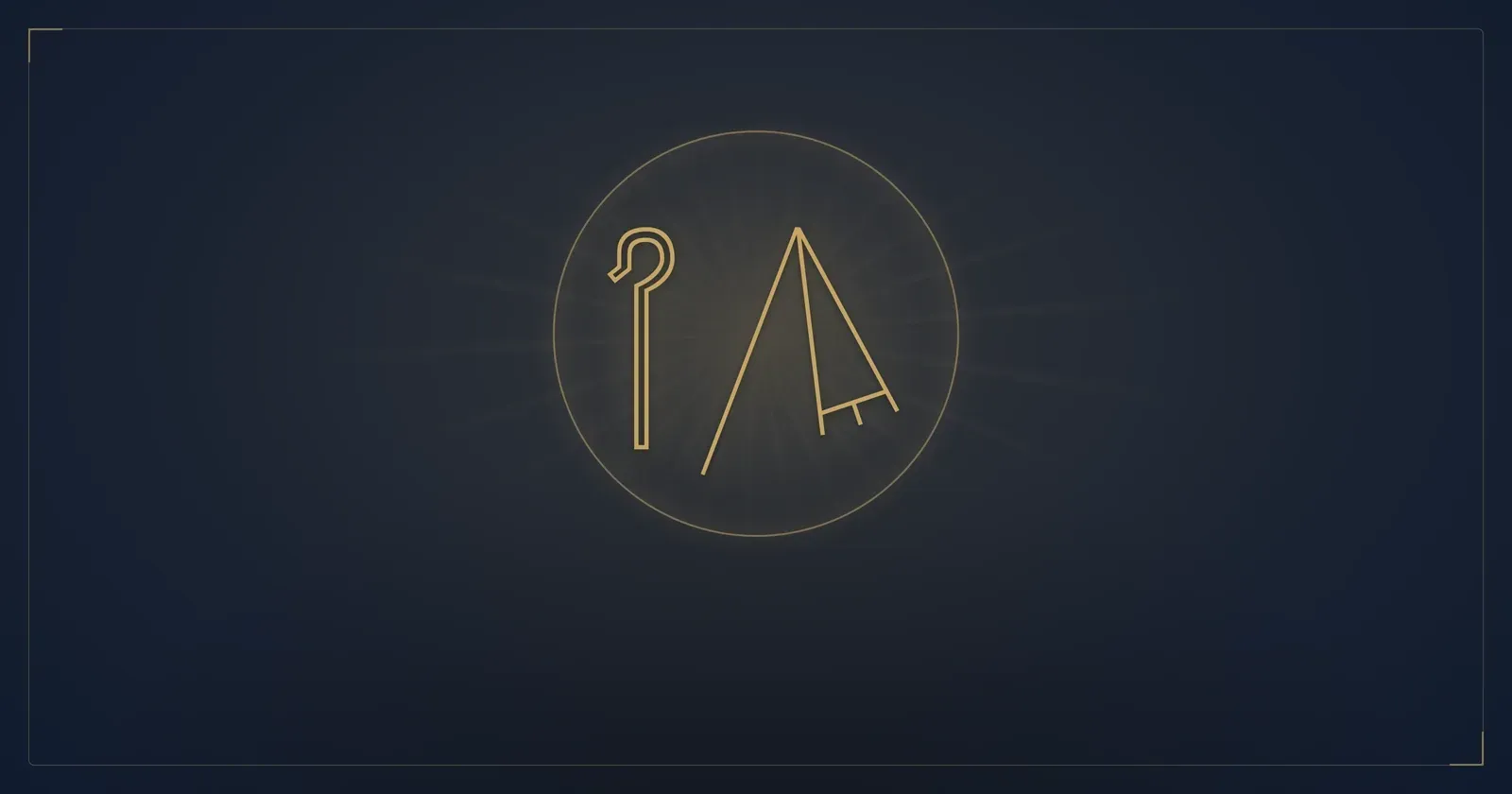
Crook and flail symbol

Crook and Flail - Ancient Egyptian Symbols

The crook and flail are now iconic symbols of pharaohs in ancient Egypt. Originally, the staff represented a shepherd to his people, while the flail symbolized providing food for them.

Red Crown (Deshert) symbol >> Crowns

Deshert Red Crown - Ancient Egyptian Symbols

The Red Crown of Lower Egypt is a symbol for the goddess Wadjet. It also represents fertile lands in Kemet, as well as Upper and Lower Egypt during ancient times when they were two separate territories.

White Crown (Hedjet) symbol >> Crowns

White Crown - Ancient Egyptian Symbols

The White Crown of Upper Egypt, Hedjet, was one of the two crowns representing Egyptian royalty. Combined with its counterpart, Deshret Red Crown for Lower Egypt, it formed the Pschent Double Crown, symbolizing unity in Ancient times.

Double Crown (Psechent) symbol >> Crowns

Pharaoh_with_double_crown-Ancient Egyptian Symbols

The Double Crown of Egypt was a symbol that united the country and represented total sovereignty. The crown consisted of two separate pieces, which kings wore to signify Upper and Lower Egyptian lands under their rule. Red for Deshret or Lower Egypt; White (or light blue) for Hedjet or Upper Egypt.

Royal headdress (Nemes) symbol >> Crowns

Nemes Headdress - Ancient Egyptian Symbols

The Nemes is an ancient headdress worn by Pharaohs in Egyptian culture. From the death of Tutankhamen to the present day, it has been a symbol of protection and royalty and many other reasons that are not fully known yet through time. The Kemetic Order still uses this tradition today with their rituals, while magical orders wear them during various ceremonies.


The Nemes was created from linen cloth folded around the forehead and draped over both shoulders. They were secured at each side of the neck, where they met under one's arm. Eventually used exclusively by pharaohs who would form it into a collar or bib-like shape resting on the top of either breast or chest area until near modern times; most people began.

Blue Crown (Kheprwsh) symbol >> Crowns

Blue Crown Khepresh - Ancient Egyptian Symbols

The Khepresh was a symbol of the Pharaoh's power and authority. It represented their divine right to rule. This right was claimed by tradition from gods that preceded them in mythology, such as Ra or Horus. These gods had been identified with earlier ruling pharaohs like Aha or Menes. Ramses The Great can be seen wearing it across many temples. These temples include ones at Abydos, often leading his troops into battle against another nation during one of Egypt's 18th dynasty wars for unification when he wore it atop his head. So everyone could see him clearly and know about what they were fighting for - liberty!

Atef Crown Symbol >> Crowns

Atef crown - Ancient Egyptian symbols

Osiris, the god of rebirth, wore the Atef crown. The white crown and red feathers represent his time in Upper Egypt as a human king before elevated to divinity.

Tree of Life symbol

The Tree of Life was a powerful and significant symbol to the ancient Egyptians. Its presence is linked to water, which according to Egyptian mythology, provides eternal life and knowledge about time's cycles.

The ancient Egyptians were known for their rituals and meticulous care of the deceased. Trees such as palms, sycamores, or anything that had meaning represented Their symbol for life. The most important tree in this culture is what we know today as the sycamore. They believe two would grow at heaven gates where Ra (sun god) passed through every day on his way up from Earth into space.

The Tree of Life was located in the Temple of the Sun of Ra. The sacred tree first emerged when Ra, the sun god, first appeared, and it is said that this plant sustains all life on Earth because, without sunlight, we would not survive.

Seba symbol

In ancient Egypt, the symbol of a star inside a circle was often used to decorate temples and tombs. The Egyptians took great pride in understanding how stars moved across the sky every night; they believed that these celestial bodies also inhabited Duat (the Egyptian Underworld). Upon descending into this location each evening, stars would accompany Ra on his journey through the Underworld.

Achet symbol

The hieroglyph Achet represents the Horizon and the Sun above it, as seen in its daily birth and setting. The idea for this symbol was founded on sunrise and sunset. Many shapes found at the base would be considered symbols for mountains or "Djew."

Egyptians often used this symbol to represent the sun, which is why it was a common motif in Egyptian art. The ancient Egyptians thought of Ajet as both an entrance and exit for souls entering or leaving the Underworld. This depiction shows two lions guarding Aker-the god of death-who pursues them restlessly with his staff so that they cannot escape him until he has taken all their strength away. Then, by night, these same lions turn around again and guard against any spirit trying to leave during those hours when life ends at sunset before sunrise brings new hope on earth.

Menat symbol

According to the ancient Egyptians, Hathor was a goddess who associated herself with life and renewal. Therefore, a necklace called Menat had been found in many of her representations that symbolized fertility, birth, and renewal. The amulet from which she emitted her power, according to Egyptian mythology, is known as the Menat, resembles an upside-down pendulum for the most part but has a counterweight at one end. Hence, it remains upright when worn by its wearer or hung on walls adorned by hieroglyphics depicting gods’ exploits, such as hunting scenes or episodes where they battle enemies like Sethepis in close combat.

Rattles symbol (sistrum)

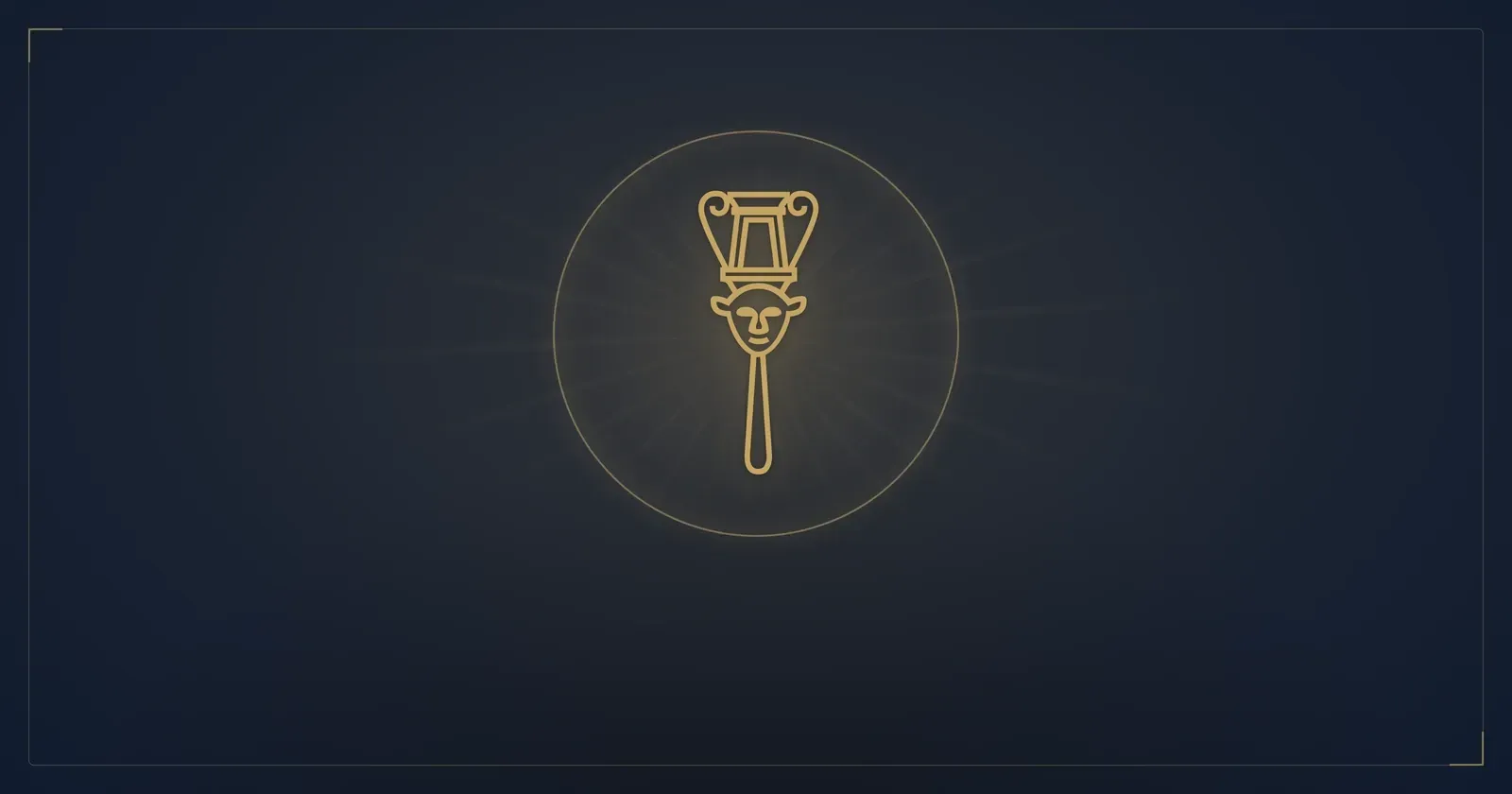
Egyptian sistrum of goddess Hathor made of bronze

The ancient Egyptians believed that the Sistrum possessed a mystical power. They used this instrument to honor Hathor, Isis, and Bastet during rituals - goddesses of love and fertility. The Sistrum consisted of a long handle with metal pieces on either side, which created an enchanting sound when shaken back and forth, as you would see in Egyptian movies!

When you visit the Egyptian museum, check out this ancient instrument—known as a sistrum. It is often depicted with goddesses Isis and Bastet holding one in their hands. In addition, Egyptians used it for personal worship or ceremonies involving dance and festivity. There's also a hieroglyph of a sistrum representing scenes related to such occasions.

Obelisk symbol

The obelisk is one of the most famous symbols from ancient Egypt. It takes on a slender, truncated pyramid shape and has an ornate top that resembles a traditional pyramid. Usually, these were made out of a single block of stone, with each side polished to create more detail in their design. However, if they were meant for ceremonial purposes or as grave markers, then scribes would paint them instead so you could see what was inscribed inside!

Obelisks were erected in the Sun God's honor to invoke his protection. The Egyptians believed he could be present inside these tall structures, so they put them there. These obelisks adorned temple entrances and had many functions, including being used as a sundial by casting shadows at different times of day, which helped with timekeeping or giving instructions on how to navigate temples whose plan was not built along with cardinal directions like we have today but rather according to principles such as East-West symmetry where one wall is across from another (180 degrees)

The obelisk is one of the most compelling and symbolic elements in architecture. Symbolically, it has a very masculine nature as its shape resembles that of the phallus. Erecting an obelisk first came from ancient Egyptians who considered this element necessary for worshiping their gods and goddesses such as Ra-Atum or Ptah because they were thought to be regenerating energies coming down at the ground level where people dwelled on earth.


For the Egyptians, architecture was a way to interact with their gods and goddesses. For example, they erected obelisks for Ra-Atum or Ptah's regenerating energies to enter our world.


The obelisk is one of the most compelling and symbolic elements in architecture. Symbolically, it has a very masculine nature as its shape resembles a phallus. This significance makes the obelisk an important symbol for Egyptian worshiping practices (such as those involving Ra-Atum and Ptah). The notion of erecting an obelisk first came from ancient Egyptians, who considered this element important because they were thought to be able to provide regeneratively. 

Shen ring (shenu) symbol

The Shen ring symbolizes eternity and is associated with the Sun in paintings through its round shape. It often appears supported by animals or birds, such as a hawk, with strong helical connotations.

The magic rings were revered for their ability to protect against disease. Each circle represents how our ego protects us from outside influences. That is why magicians would wear a ring with symbols and names of "power" that are nothing but physical forms of parts of their unconsciousness fighting themselves.

The Shen ring is a powerful talisman that the magician should always have at hand as external protection. It represents how complex its meanings can be. Still, its most common purpose would be to protect against outside attacks or pseudo-attacks when building one's circle in their aura and practicing magic.

The Bennu Bird symbol

The Bennu bird is one of the most famous symbols in Ancient Egypt mythology and religion. This legendary creature was known to represent resurrection and a rising sun. Furthermore, the city of Heliopolis became the home for this fantastic creature because it represented Ra -soul- who took on its headquarters there while also being depicted with an Ished tree from which life flows; such ideologies can be seen throughout many ancient religions lost today but are displayed prominently in these two pieces!


The Phoenix, or so-called "Bennu" Bird, represents rebirth and purity, symbolizing both death and renewal at once due to their ability to resurrect themselves when they were burned by fire only after 500 years have passed since the last living cycle had ended.

For ancient Egyptians, the Bennu bird represented rebirth. It was a sacred creature in Heliopolis. It served as Ra's 'Bennu.' The Egyptian Phoenix exhibited these qualities: it had life-giving power that could heal or even bring back to life from death.


The Bennu Bird is both an Ancient Egyptian Symbol for Rebirth and Life. It does not only represent regeneration, but it also serves as the symbol of immortality through its ability to rise again after being fire slays it, as many other creatures do with water. According to Hebrew mythology, such as Baalzebub -is the lord/god who brings forth flies when called upon. For example, this divine gift, amongst others, has been passed down throughout some form on generation without any interruption.

Crescent symbol

Isis, the Goddess of Motherhood and a healer by trade, is most notably known for her association with symbols that bring good fortune to mothers. For example, the Crescent moon symbol, which she inspired, was believed to provide luck in motherly duties and draw love from others into your life.

The crescent moon symbolizes the lunar power that shines during the night and protects us from the darkness. The Egyptians used it to represent fertility, motherhood, rebirth, birth cycle, and other things like water in rituals or gods such as Khonsu, who was depicted with this particular shape around him.

Gold symbol (Nebu)

The Nebu, an ancient Egyptian symbol for gold, was believed to have been a divine metal from heaven. It was used to signify that The Mountain of Gold had fallen on Earth in Ancient Egypt to provide protection and prosperity for its citizens. Or, it could be that Ra himself descends as Atum-Ra (a sun god) with Apep as his companion. In either case, he is seen as having emerged from the primordial waters Nun like a new Sun.

Apotheosis: This idea is not only found in the literature but also among those who believe they are gods that live on Earth before their death. They are called "The Golden Horus."The Nebu is an ancient Egyptian symbol of gold, considered a divine metal from the heavens. In Ancient Egypt, it meant that The Mountain of Gold had come down on Earth to provide protection and abundance for its people. This could mean that god Ra himself descended as Atum-Ra (a solar god) with his golden serpent form Apep at his side. He was seen as having arisen out of the ancient waters Nun by emerging as a new sun over them.

Apotheosis: This idea finds expression in literature and among persons who conceive themselves gods living upon Earth even before their death when they are known as "The Golden Horus."

The BenBen symbol

The ben-ben is an integral symbol of the religious beliefs of ancient Egyptians. Primarily, they believed this was where creation started. It would also be found in all pyramids that were built across Egypt's many ages.

Bee and reed symbol (Nesw Bity)

The Egyptians had a symbolic way of representing the unity between Upper and Lower Egypt. They would place two symbols, nsw (he who belongs to the reed), which is representative of Upper Egypt, and a bit (the he who belongs to bee), to symbolize that the pharaoh was ruler over both areas.

Conclusion

The meanings of ancient Egyptian symbols are intriguing and can be interpreted in many ways. We know that ancient Egyptians used the symbols in hieroglyphs to transmit messages from them. These symbols were eventually used in other communication forms, such as art and jewelry. This use has allowed us to learn more about them. Was this article interesting to you? Comment below to let us know what you think!

You can learn more about ancient Egyptian symbols on your next vacation in Egypt with our Egypt Tours.

Myth vs Reality

  • Myth: Egyptian symbols were just decorative designs.

    Reality: Egyptian symbols functioned as a visual language. Every symbol carried layered meanings related to protection, power, rebirth, or divine order. Decoration without meaning was rare in sacred spaces.

  • Myth: Each symbol had one fixed meaning

    Reality: Meanings shifted based on context, placement, color, and combination with other symbols. A scarab on a ring did not mean the same thing as a scarab carved above a tomb entrance.

  • Myth:Only priests understood Egyptian symbols

    Reality: While priests mastered complex theology, basic symbolic meanings were widely understood. Ordinary Egyptians used symbols daily on amulets, tools, and household objects.

  • Myth: Symbols were mainly about death

    Reality: While many appear in tombs, most symbols focused on life, protection, renewal, and continuity. Death was seen as a transition, not an end.

  • Myth: Modern interpretations fully capture ancient meanings

    Reality: Modern uses often simplify or aestheticize symbols. Ancient Egyptians understood them as part of an integrated spiritual system tied to ritual, geography, and cosmic order.

  • Myth: Symbols were only used in temples and tombs

    Reality: Symbols appeared everywhere—jewelry, furniture, cosmetics, tools, and even children’s objects—reflecting how deeply symbolism shaped daily life.


FAQ

  • What are ancient Egyptian symbols?

    Ancient Egyptian symbols are visual signs used to express religious beliefs, social order, protection, and the nature of life and death. They were not decorative elements but a symbolic language understood by ancient Egyptians across temples, tombs, and daily objects.

  • Why did ancient Egyptians rely so heavily on symbols?

    Because Egypt’s belief system was visual and ritual-based. Symbols allowed complex spiritual ideas—such as the afterlife, divine power, and cosmic balance—to be communicated instantly, even to those who could not read hieroglyphs.

  • What is the most important Egyptian symbol?

    There is no single “most important” symbol. However, the Ankh, Eye of Horus, Scarab, and Lotus appear most frequently because they relate to life, protection, rebirth, and renewal—core concepts in Egyptian belief.

  • Did Egyptian symbols have different meanings depending on context?

    Yes. The same symbol could change meaning based on placement, color, scale, and accompanying imagery. For example, the Eye of Horus could represent healing in one context and royal authority in another.

  • Were these symbols only used by priests and royalty?

    No. Symbols were used by all social classes. Ordinary Egyptians wore amulets, painted symbols on household items, and used them in burial practices to seek protection and favor from the gods.

  • Are Egyptian symbols connected to specific gods?

    Many symbols were associated with particular deities—such as the Eye of Horus with Horus or the Ankh with multiple gods—but symbols often carried broader meanings beyond a single god.

  • How can travelers see authentic Egyptian symbols today?

    Original symbols can be seen carved into temples, tomb walls, statues, and artifacts across Egypt—especially in sites like Giza, Luxor, Karnak, and the Valley of the Kings.

Collage of Egyptian mezze, a street food vendor, and a couple dining outdoors during a Cairo sunset
By Ashraf Fares February 16, 2026
Plan your meals in Egypt with confidence. Learn what to eat, where to eat, food safety tips, pricing guidance, and practical dining etiquette for Cairo, Luxor, Aswan
By Ashraf Fares February 15, 2026
Plan your Sinai trip with detailed costs, itineraries, and practical tips. Covers Sharm El Sheikh beaches, Mount Sinai hiking, diving, desert tours, and safety.
Collage of vibrant coral reefs, a tranquil beach at sunset, and a couple enjoying a seaside dinner.
By Ashraf Fares February 15, 2026
Plan your Red Sea resort trip efficiently. Covers Hurghada and Marsa Alam accommodation, snorkeling, diving, beach clubs, desert tours, costs, and safety tips.
Collage of the Giza Pyramids at sunset, a vibrant lantern bazaar,  a couple dining with Cairo city
By Ashraf Fares February 14, 2026
How to Plan Your Journey Through History, Culture, and Monuments Egypt is more than the pyramids—it is a living tapestry of history . From the Giza Plateau to Luxor’s temples, from Cairo’s museums to the Nile Valley, every step immerses you in civilization that is over 5,000 years old. This guide bridges cultural understanding with practical travel advice , ensuring your journey is safe, meaningful, and unforgettable.
Collage of detailed hieroglyphs, a grand pharaoh statue, and an ancient Egyptian religious papyrus
By Ashraf Fares February 14, 2026
Ancient Egyptian Religion Beliefs, Gods, Afterlife, and Daily Practice Ancient Egyptian religion was inseparable from life itself . It influenced governance, architecture, daily behavior, and, most famously, monumental constructions like the pyramids. The Egyptians did not see life and death as separate. Death was simply the next stage of existence, and religion provided a structured path to eternal continuity .
Collage of ancient hieroglyphs, the Great Sphinx with a pyramid, and a smiling couple taking a selfi
By Ashraf Fares February 14, 2026
Visiting the Giza Pyramids: Complete Guide for Travelers The Giza Plateau is the crown jewel of Egypt. Here stand three massive pyramids—Khufu, Khafre, and Menkaure—alongside the enigmatic Great Sphinx. Visiting them is more than sightseeing; it is stepping into a world where religion, politics, and human ambition converge. This guide combines historical depth, logistical advice, and experiential insight to make your visit meaningful and stress-free.
Collage of a felucca by the Pyramids, a vibrant Cairo street market, and a couple visiting a lit mus
By Ashraf Fares February 13, 2026
You navigate Cairo efficiently with clear information. This guide focuses on actions, routes, and costs.
A collage of a man weaving at a loom, vibrant scarves and lamps, and a woman shopping for textiles
By Ashraf Fares February 13, 2026
You protect money and quality when buying textiles and handicrafts. Prices vary by material, size, and technique.
A collage of colorful essential oils, a merchant with mounds of spices, and a woman smelling herbs
By Ashraf Fares February 13, 2026
You protect money and quality when buying spices and oils. Prices vary by source, type, and freshness.
A collage of a jeweler engraving silver, gold necklaces in a shop window, and a woman shopping in an
By Ashraf Fares February 13, 2026
You protect money when rules guide each purchase. Jewelry prices follow metal markets and labor costs.