
4-Day Nile Cruise: Aswan to Luxor with Private Guide
A private experience shaped around your time and interests.
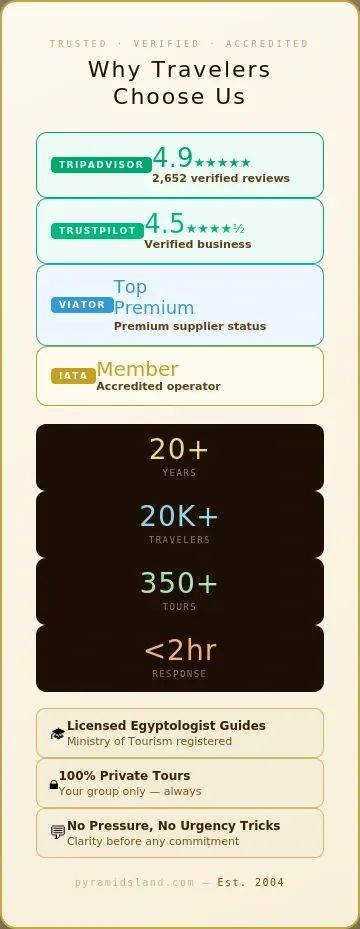
★ 4.9 · 2,678 reviews on TripAdvisor · Licensed since 2001 · Free Cancellation
⭐ 5.0 Rated | Licensed Egyptologist Guides | Free Cancellation | Hotel Pickup Included
Overview
Three nights on the Nile between Aswan and Luxor covers every major temple on the Upper Egyptian corridor — and covers them fast.
You board in Aswan after visiting Philae, the High Dam, and the Unfinished Obelisk. The next morning, the ship had already sailed to Kom Ombo. By afternoon, you are at Edfu. The following day, you wake in Luxor and cross to the West Bank — the Valley of the Kings, Hatshepsut's Temple, the Colossi of Memnon — before returning to the East Bank for Karnak on your final morning. Four days. Seven temples. Every essential site between the two cities.
This is the right cruise for travelers who want the Nile experience without committing to a full week. The sites are the same ones visited on longer cruises. The pace is quicker. The guide is the same standard — a private Egyptologist who walks with you at every site, separate from the ship's group tour.
What you gain: efficiency. Every day has a purpose. What you trade: the free sailing days and slower rhythm that a 7-night cruise provides. If time is your constraint but the Nile is non-negotiable, this is the format.
Highlights
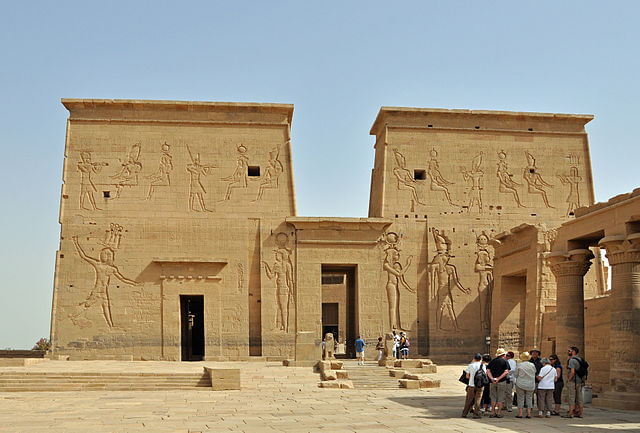
- Philae Temple — the island sanctuary of Isis, reached by motorboat before you board the ship
- Kom Ombo — the dual temple for Sobek and Horus, visible from the water as the ship approaches
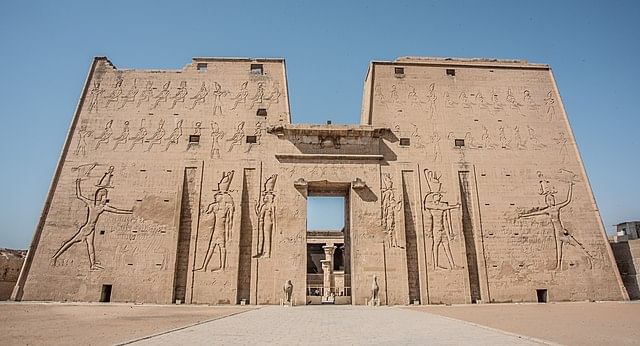
- Edfu Temple — the most intact religious building in Egypt, arrived at by horse-drawn carriage from the dock
- Valley of the Kings — three royal tombs with your Egyptologist, selected for your interests
- Hatshepsut's Temple — the colonnaded terrace cut into the West Bank cliff
- Karnak Temple — the largest religious complex ever built, experienced on your final morning as the culmination of three days of context
Who Is This Tour For
- Travelers with limited time in Upper Egypt — 4 days- cover the essential route completely
- First-time visitors combining Cairo (2–3 days) with a Nile cruise — this is the most common pairing
- Anyone who wants the cruise experience without committing to 5 or 7 nights
- Couples and small groups who prefer a private guide but don't need the extended pace of a longer voyage
What Makes This Tour Different
- Private Egyptologist for all 4 days. Not the ship's group guide. Not a microphone tour. Your guide walks with you at every site at your pace and answers the questions that matter to you specifically.
- Aswan to Luxor sequencing. The cruise builds from smaller, more intimate sites (Philae) through the monumental (Edfu) to the overwhelming (Valley of the Kings, Karnak). The trip peaks at the end.
- Complete coverage in minimum time. Every major temple between Aswan and Luxor is included. Nothing essential is skipped. The pace is quicker than a 7-night cruise, but no site is rushed — your private guide ensures depth at every stop.
Day-by-Day Itinerary
Day 1 — Board in Aswan · Philae Temple, High Dam & Unfinished Obelisk
Private transfer from Aswan Airport or your hotel. Morning visits with your Egyptologist:
Aswan High Dam — the 20th-century engineering project that created Lake Nasser and changed the Nile forever.
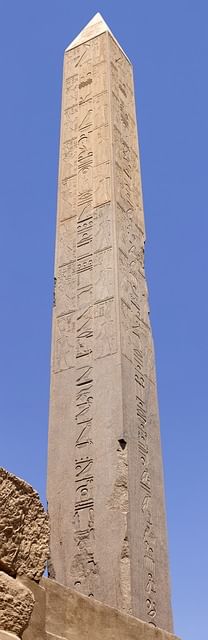
The Unfinished Obelisk — a 42-meter granite monolith abandoned mid-carve, still lying in the quarry bedrock. Your Egyptologist explains the quarrying methods that produced the obelisks now standing at Karnak — a direct physical link to what you will see on Day 4.
Philae Temple by motorboat — the island sanctuary of Isis, relocated stone by stone to save it from the reservoir. One of the most beautiful settings in Egypt.
Transfer to the cruise ship. Check in, settle into your cabin. Lunch and dinner on board. The ship sails downstream overnight toward Kom Ombo.
Day 2 — Kom Ombo & Edfu Temples (Sailing Day)
Kom Ombo Temple in the morning — the dual temple for Sobek and Horus, built symmetrically so every element on one side mirrors the other. The crocodile mummy museum is attached. The temple is visible from the water as you approach.
The ship continues downstream.
Edfu Temple in the afternoon — the most intact religious building in Egypt, arrived at by horse-drawn carriage. The entrance pylon is what every other ruined pylon once looked like. Inside, your Egyptologist reads the mythological cycle of Horus and Set carved in sequence on the sanctuary walls.
The ship sails through the evening toward Luxor. Dinner on board.
Day 3 — Luxor: West Bank & East Bank
Early morning crossing to the West Bank.
Valley of the Kings — three royal tombs with your Egyptologist. The shift from Ptolemaic temples (Philae, Kom Ombo, Edfu) to New Kingdom royal tombs is not just a change of venue — it is a change of era, purpose, and visual language. Your guide makes the connection.
Hatshepsut's Temple at Deir el-Bahari — the colonnaded terrace cut into the cliff face, and the story of her erasure from the official record.
Colossi of Memnon — the two seated statues of Amenhotep III. The mortuary temple they once guarded is gone. The statues remain.
Return to the ship. Afternoon at leisure. The ship remains docked in Luxor.
Day 4 — Disembark in Luxor
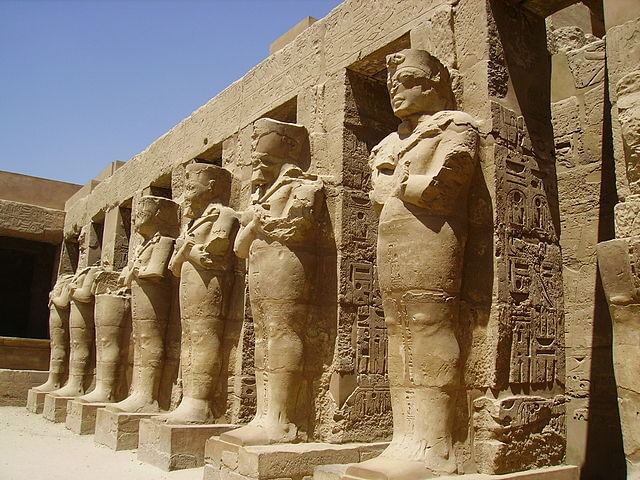
Morning visit to Karnak Temple — the largest religious complex ever built. The Great Hypostyle Hall — 134 columns — is the most visually overwhelming interior in ancient Egypt. After three days of context, Karnak arrives not as a standalone monument but as the central node of everything you have been building toward. The obelisks came from the quarry you visited in Aswan. The architectural style connects to Edfu. The theological evolution from Ptolemaic to Pharaonic makes sense as a sequence.
Return to the ship. Breakfast on board. Disembarkation. Private transfer to Luxor Airport or your hotel.
Considering a different cruise?
- More time? The 7-Night Nile Cruise from Aswan adds Abu Simbel, a free sailing day, and a return leg — the complete version.
- Opposite direction? The 4-Night Nile Cruise: Luxor to Aswan runs the same route in reverse.
- Smaller vessel? The 4-Day Dahabiya: Aswan to Esna carries 8–16 passengers on a traditional sailing vessel.
Extensions
■ Abu Simbel Before the Cruise — Add 1 Day
Arrive in Aswan a day early. Very early morning drive to Abu Simbel (3:00 AM, ~3 hours each way). Visit the colossal temples of Ramesses II and Nefertari at sunrise. Return to Aswan and board the cruise in the afternoon. The tour becomes 5 days / 4 nights. Or see the 5-Day Luxor to Aswan with Abu Simbel for a version where it's already included. Planning to stay in Luxor before the cruise? See Luxor Day Tours. Extending in Aswan after disembarkation? See Aswan Day Tours.
Add-on price: From $349 per person (includes extra cruise night, private vehicle, guide, Abu Simbel entry fees)
■ Cairo Before the Cruise — Add 2–3 Nights
Fly to Cairo first. 2–3 nights with Pyramids, Grand Egyptian Museum, and optional Saqqara tours, plus domestic flight to Aswan.
Add-on price: From $999 per person (2 nights) / $1,249 (3 nights) — includes hotel, flights, guided days
■ Hurghada After the Cruise — Add 2–3 Nights
From Luxor, drive east to Hurghada (~3.5 hours). Two nights include a snorkeling day trip. Three nights add a free beach day. Depart from Hurghada Airport.
Add-on price: From $449 per person (2 nights) / $599 (3 nights)
■ Extra Night in Luxor
Stay one night in a 5-star Luxor hotel after disembarking. Revisit Karnak, explore Luxor Museum, or simply enjoy the city at your own pace before departing.
Add-on price: From $149 per person (includes hotel + breakfast)
Frequently Asked Questions
How does the 4-day cruise compare to a 7-night cruise?
Same river, same major temples, faster pace. The 4-day covers Philae, Kom Ombo, Edfu, Valley of the Kings, and Karnak — every essential site. The 7-night adds Abu Simbel (included), a free sailing day, more time at each site, and a return leg. If you have 4 days, you miss nothing essential. If you have 8, you gain depth and rhythm.
Does this cruise end in Luxor or return to Aswan?
Luxor. This is a one-way cruise — you sail downstream from Aswan and disembark in Luxor on Day 4. Plan your departure flights from Luxor, not Aswan.
Can I combine this with Cairo?
Yes — this is the most common Egypt itinerary. Cairo (2–3 days) + domestic flight to Aswan + 4-day cruise + fly out of Luxor. Total: 6–7 days for a complete Egypt introduction. → See Egypt tour packages . Not sure whether to start in Cairo or Luxor? Read our sequencing guide .
Is the guide private?
Yes — your licensed Egyptologist is assigned exclusively to your group for all site visits. Separate from the ship's group guide.
What cabin is included?
Standard double cabin with Nile view, ensuite bathroom, and air conditioning. Upgrades available on request.
What is the best time of year?
Peak season (October–April): comfortable temperatures, busiest and most expensive. Low season (May–September): significantly hotter, lower prices, less crowded ships. Temple visits are scheduled early morning year-round. What about seasickness?
Nile cruise ships are wide, flat-bottomed river vessels. Motion is minimal — nothing like an ocean cruise. Most passengers feel no movement at all.
Is this cruise suitable for children?
Yes, for children approximately age 7 and above. Day 3 (Luxor) is the longest touring day, with visits to both the West and East Bank visits. The cruise itself is comfortable for all ages.
Explore the tours above. Read the details. Ask questions if needed. Book only when it feels right.
How pricing works
Prices are based on:
- Group size
- Duration
- Inclusions listed on the tour page
You will always know what is included before booking. There are no surprise additions.