
Faiyum Oasis from Cairo: Is It Worth a Day Trip or Overnight Stay?
***Edited February 7, 2026
Most travelers hear about Faiyum by accident.
Someone mentions waterfalls. Or desert lakes. Or whales in the sand.
Then the question comes fast:
Is Faiyum actually worth the trip — or just a detour?
Often overshadowed by its close neighbor, Cairo, Faiyum is an unusual addition to most first-timers’ Egypt itinerary. And yet, there is much to discover in and around this oasis city in the heart of Middle Egypt. Situated west of the River Nile, Faiyum is the capital of the Faiyum Governorate and renowned as one of the longest-inhabited regions in the country – with archaeological evidence suggesting that people have lived there for many thousands of years. As such, Faiyum city and the desert that surrounds it offer visitors the chance to discover a plethora of fascinating historic sights, from prehistoric whale fossils to temples from the pharaonic, Ptolemaic, and Roman periods. Spectacular desert scenery studded with contrasting lakes and waterfalls add to the region’s appeal.
Who Faiyum Is For
Faiyum is ideal if you:
- Want a break from crowded cities
- Are already in Cairo
- Enjoy nature + archaeology together
- Prefer slow, scenic travel
Faiyum is NOT ideal if you:
- Have very limited time in Egypt
- Want luxury resorts only
- Dislike long driving days
How to Visit Faiyum (Practical Core)
Distance from Cairo:
- ~100 km southwest
- 1.5–2 hours by car
Best way to visit:
- Private car or guided day trip
- Public transport is possible but inefficient
Best time to go:
- October to April
- Avoid summer midday heat
Recommended stay:
- Day trip for first-timers
- Overnight, if combining desert + Wadi El-Rayan
- Check Egypt travel costs 2026
What You’ll Actually See
Top Highlights (in realistic order):
- Wadi El-Rayan Waterfalls
– Rare desert waterfalls
– Best in the morning - Wadi Al-Hitan (Whale Valley)
– UNESCO site
– Fossils of prehistoric whales
– Requires desert driving - Lake Qarun
– Sunset views
– Best paired with lunch stops
Check day trips from Cairo
Common Faiyum Mistakes
- Trying to see everything in half a day
- Visiting at midday in summer
- Skipping transport planning
- Expecting “resort-style” facilities everywhere
How Faiyum Fits Into an Egypt Trip
Best used as:
- A Cairo day escape
- A nature contrast after the pyramids & museums
Not recommended as:
- A replacement for Luxor or Aswan
- A standalone destination for first-timers
History of the Faiyum Region
Prehistoric Era
The area around the oasis has long attracted settlers because of its incredible fertility, the result of a Pleistocene-era diversion of the Nile that transformed the arid desert into an oasis with a mighty lake surrounded by arable land and filled with abundant wildlife. The region’s modern name, Faiyum, is a reference to this, coming from the Coptic word meaning “sea” or “lake”. With excellent hunting and opportunities for successful agriculture, it’s no wonder that the ancient people of Egypt flocked to the oasis. Formal settlements are likely to have been established as far back as 5,200 BC; although evidence suggests that around the end of the fifth century BC, there was a drought that caused many of these early farmers to migrate away from the area.
In the Time of Pharaohs
By the dawn of the pharaonic Old Kingdom in the third century BC, however, the area around Faiyum saw a resurgence in popularity when it became a favoured hunting ground for the pharaohs of ancient Memphis (modern-day Cairo). At this time, the biggest and most influential settlement in the oasis was called Shedet. Shedet reached the peak of wealth and influence during the 12th Dynasty, when Amenemhat I commissioned canal work that restored the ancient inland sea, Lake Moeris, to its prehistoric size. Shedet became the center for the cult of the crocodile god, Sobek, with many temples dedicated to his honor. There is even evidence that the Egyptians bred captive crocodiles that were kept and worshipped as the embodiment of Sobek – for this reason, the Greeks knew the city as Krokodilopolis, or Crocodile City.
The Ptolemies and Beyond
During the Ptolemaic era, Shedet was rechristened first as Ptolemais Euergetis and later as Arsinoe, in honour of the sister-wife of Ptolemy II Philadelphus. This same Ptolemy, who ruled from 283 to 246 BC, introduced a canal system including over 200 waterwheels that served to drain much of Lake Moeris – in an effort to reclaim more arable land – while simultaneously ensuring that the land remained irrigated. These waterwheels are still in existence today. Ptolemy invited Greek settlers to inhabit the newly drained land, which is why many of the minor settlements around modern-day Faiyum are dominated by Ptolemaic-era ruins. The city retained the name of Arsinoe under the Romans and later, with the dawn of Christianity, became the seat of the bishopric of Arsinoe.
It flourished during medieval times (a fact to which the existing Mamluk mosque pays testament), but declined thereafter due to its isolation from the new capital of Cairo and its susceptibility to attack from Berber raiders. However, since the construction of a railway linking Faiyum to the Nile Delta in 1874, the region’s prosperity has recovered. Today, it continues to thrive as a result of its natural fertility, which allows for the commercial growth of cash crops ranging from grapes and olives to dates, honey and cotton.
Famous Faiyum Artefacts
Aside from its lengthy history and agricultural value, Faiyum has two major cultural claims to fame.
Faiyum Mummy Portraits
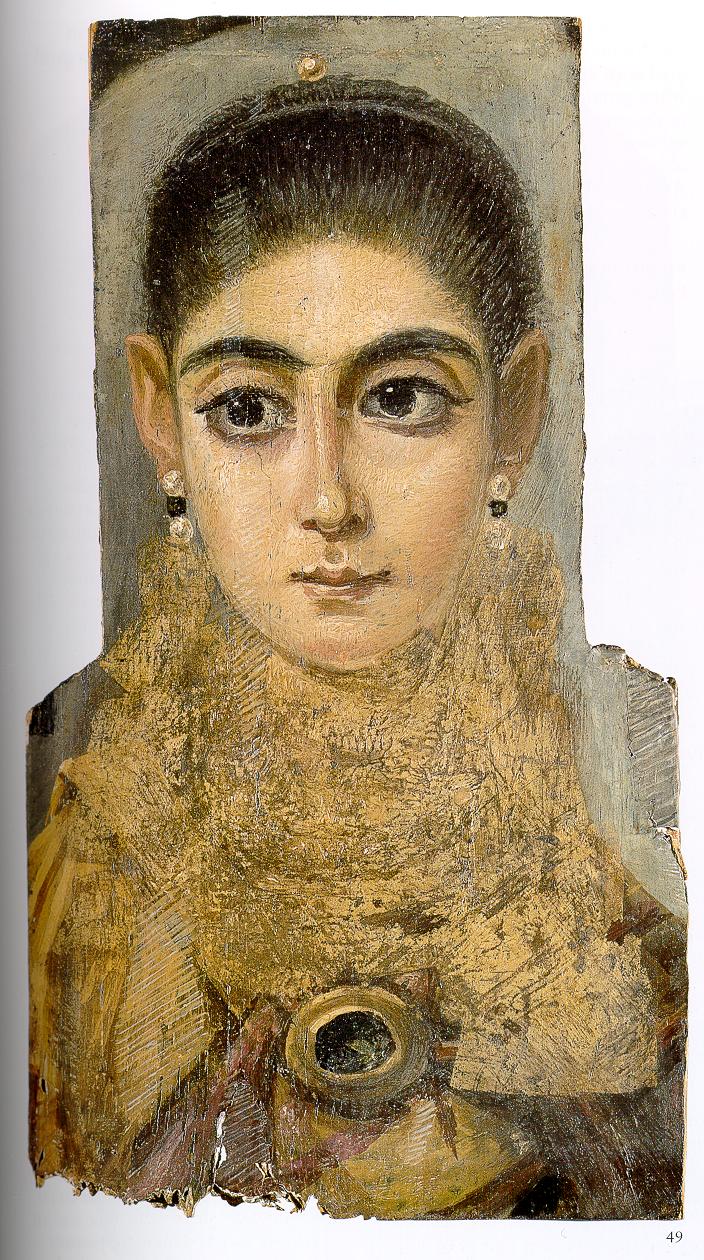
The famous British Egyptologist Flinders Petrie visited the Faiyum region between 1887 and 1889. During that time, he excavated a Roman-era cemetery dating back to the first and second century AD – and discovered some of the most important artistic treasures of the ancient world. Now known as the Faiyum Mummy Portraits, these were a series of funerary masks painted on wooden panels to accompany mummified bodies to their final resting place. The portraits stand out for their exceptional quality and realism, which experts say is similar to that of grand masters like Rembrandt or Titian – only more than 1,000 years earlier. The portraits were painted onto the wood using pigmented wax, a technique known as encaustic. They represent some of the finest known examples of this technique. In total, Petrie found roughly 150 of the paintings during his initial excavation. To date, nearly 1,000 have been found, mostly from the Faiyum area, and can be seen in museums around the world.
The Zenon Papyri
The second major find attributed to the Faiyum region is the Zenon Papyri, a cache of some 2,000 papyrus scrolls discovered between 1914 and 1915 by a group of local villagers. Written by the finance minister of Ptolemy II Philadelphus, Zenon, the scrolls relate to the construction and day-to-day running of Philadelphia, a now-lost settlement built to the northeast of modern-day Faiyum in the 3rd century BC. Together, they provide a detailed record of the monuments and public buildings the Ptolemaic pharaoh commissioned – as well as details of financial and legal transactions, providing an invaluable insight into how society was run both in Philadelphia specifically and in third-century BC Roman Egypt as a whole.
Top Things to See and Do
Visitors to modern Faiyum are spoiled for choice in terms of things to do and see. Many are located outside the city itself; however, it serves as a convenient base for day trips into the surrounding desert.
Madinat Madi
: A now-ruined settlement located just under 35 kilometers southwest of Faiyum, Medinat Madi’s translated name means City of the Past. It’s an apt moniker for this atmospheric spot, which is one of the oldest and most remote in the Faiyum area. Here, surrounded by sweeping desert vistas, discover a handful of ancient temples, the oldest of which dates back to the Middle Kingdom and was built in honor of Sobek, the crocodile god, and Renenutet, the goddess of harvest. Another, smaller temple dedicated to Sobek is of particular interest because it was here that archaeologists uncovered the cache of crocodile eggs and remains in various stages of growth that prove the animals were captive bred for use by the cult.
Lake Qarun
The inland sea once known as Lake Moeris was drained at various different stages throughout antiquity, but an impressive body of water measuring some 42 kilometers in length remains. Now known as Lake Qarun, it lies below sea level and is therefore exceptionally saline. As such, it’s not particularly great for swimming; but it does offer a respite from the desert heat, and a scenic backdrop for picnics and lazy afternoons by the water. Cafés dot the shoreline, and you can venture out on a rented rowboat. In particular, lookout for a diverse array of exotic birdlife, including flamingos, spoonbills, and many different duck species. The birdlife is particularly abundant during the September to November migration period.
Qasr Qarun
At the western end of Lake Qarun lies Qasr Qarun, the ruined remains of the ancient city of Dionysias. It was from here that camel caravans bearing valuable goods would once have departed for Bahariya, another oasis town in the Western Desert. Today, all that has survived centuries of sandstorms is a square-shaped temple built of yellow limestone, dedicated to Sobek and built during the Ptolemaic era. From the outside, the temple is not as impressive as its counterparts at more famous ancient sites such as Luxor or Aswan, lacking the adornment of inscriptions, murals or statues. Nevertheless, it’s well worth a visit for its maze-like interior (open to the public), and the desert views from the rooftop.
Pyramids of Faiyum
As one might expect from an area with so much history, there are several pyramids within reach of Faiyum. The most important of these is the Pyramid of Meidum, located roughly 30 kilometers northeast of the modern city. Archaeologists believe it to be the first true pyramid attempted by ancient Egyptian builders, although it ultimately collapsed under its own weight so that only the core of the structure remains today. Other pyramids in the area include those commissioned by two of the most influential pharaohs of the 12th Dynasty. Respectively, these are Amenemhat III’s Pyramid of Hawara, and Sesostris II’s Pyramid of Al Lahun. Both are now in various stages of dilapidation but nevertheless provide a valuable insight into pyramid-building history.
wadi El Rayan
Faiyum isn’t just for history buffs. Nature lovers are also well-rewarded by a visit to the oasis, and in particular by a day trip to the protected area known as Wadi El Rayan. The wadi is dominated by two large lakes, measuring approximately 50 and 60 square kilometers respectively and separated by a series of beautiful waterfalls. Wooden rowboats offer guided trips from the lakeshore to the waterfalls and back; and you can also venture into the surrounding desert on a 4x4 adventure. Keep an eye out for resident wildlife ranging from white and Egyptian gazelles to sand and fennec foxes. If you’re a keen birder, the lakes support an abundance of water birds while rocky desert outcrops provide nesting sites for several different types of raptor.
Wadi Hitan National Park
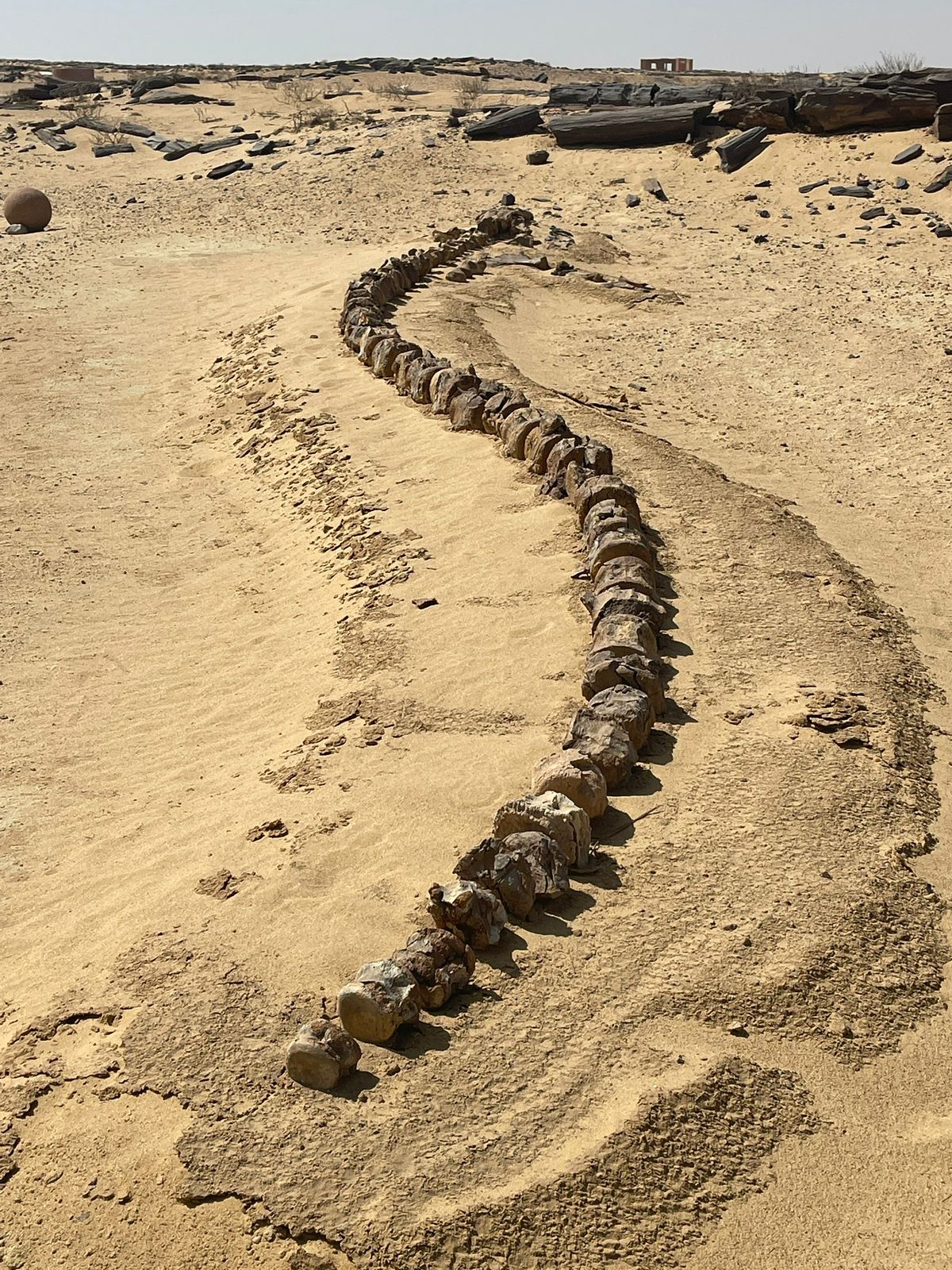
Wadi Hitan is a 2.5-hour drive through the desert from Faiyum city, but the journey is well worth it to discover a UNESCO World Heritage Site also known as Whale Valley. Here, the breathtaking desert landscape is littered with the fossilized skeletons of the earliest suborder of whales. These skeletons show that their ancient owners were in the final stages of losing hind limbs – therefore illustrating how land-based predators became ocean-going mammals in one of the greatest events of evolution. The skeletons are some 40 million years old, and are kept company by the fossils of later marine animals including giant fish and manatees. In the on-site museum, you can marvel at the intact skeleton of a Basilosarus isis whale measuring 18 meters in length.
Day Trip to Faiyum from Cairo
Wadi El Rayan, the Valley of the Whales, and the oasis itself — a full day from Cairo with a private guide. One of the most unusual and rewarding day trips from the capital.
Book the Faiyum & Wadi El Rayan Day Tour →
Faiyum works best when timing and transport are handled properly.
If you want to include it without turning your Cairo days into long drives, planning matters more than enthusiasm.
Ashraf Fares