
Daily Life in Ancient Egypt
What Was it Like?
Religion in Ancient Egypt
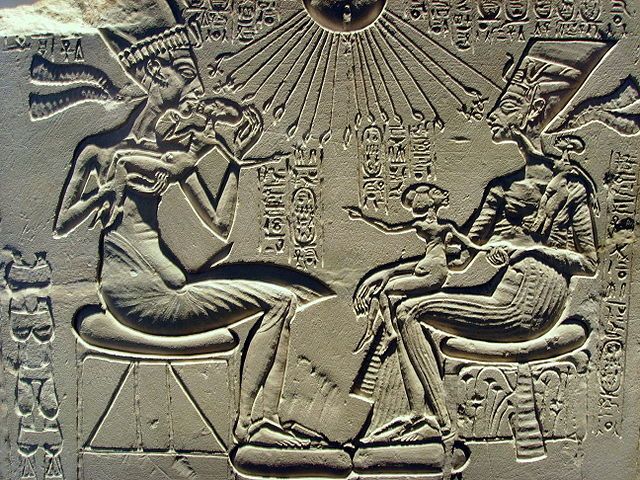
Religion was the single most important influence in the life of every Ancient Egyptian. They were a polytheistic people, believing in a pantheon of gods and goddesses that ranged from deities of national significance (like Isis, Horus and Osiris) to minor gods and demi-gods that held special importance for certain villages or social groups. The spirits of the ancestors were also a constant presence for the people of Ancient Egypt, who believed that their deceased relatives could either bless them or curse them depending on how they had been treated during their time in the living world. As such, ritual offerings and religious ceremonies were a central part of everyday life while an unshakeable belief in magic underpinned everything from religion and medicine to fertility and agriculture.
A Strict Social Hierarchy
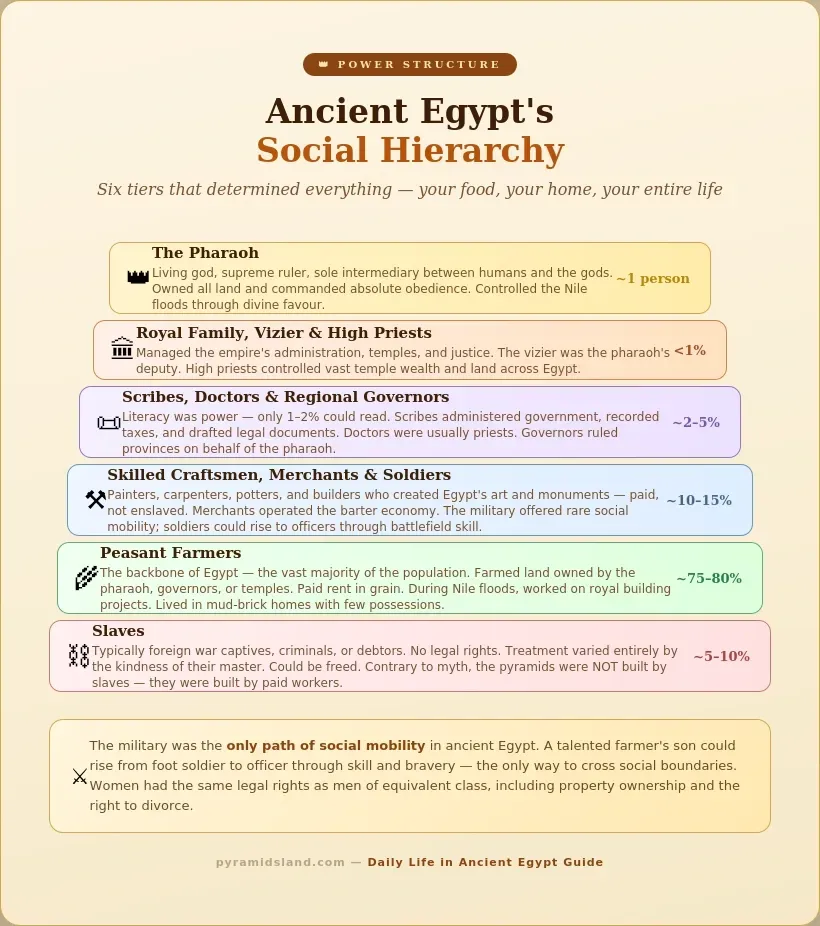
Ancient Egyptian society was clearly stratified. At the top of the hierarchy was the pharaoh, who enjoyed a life of unimaginable luxury and prestige justified by the belief that he was the gods’ chosen representative and only true intermediary. Directly beneath him were the royal family and then in order of importance, the vizier, courtiers, regional governors and other government officials. The peasantry comprised the vast majority of the population and were one rung from the bottom of the social ladder. The demographic with the least influence (i.e. none at all) were the slaves. Slaves were typically criminals and debtors, and foreign captives brought back from military campaigns. They had no rights, and their treatment would have varied depending on the kindness of their master.
The Role of Egyptian Women
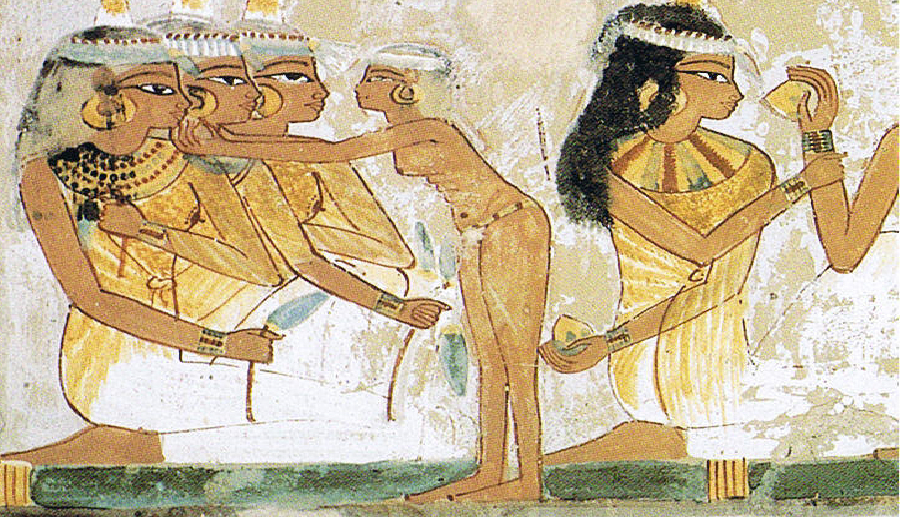
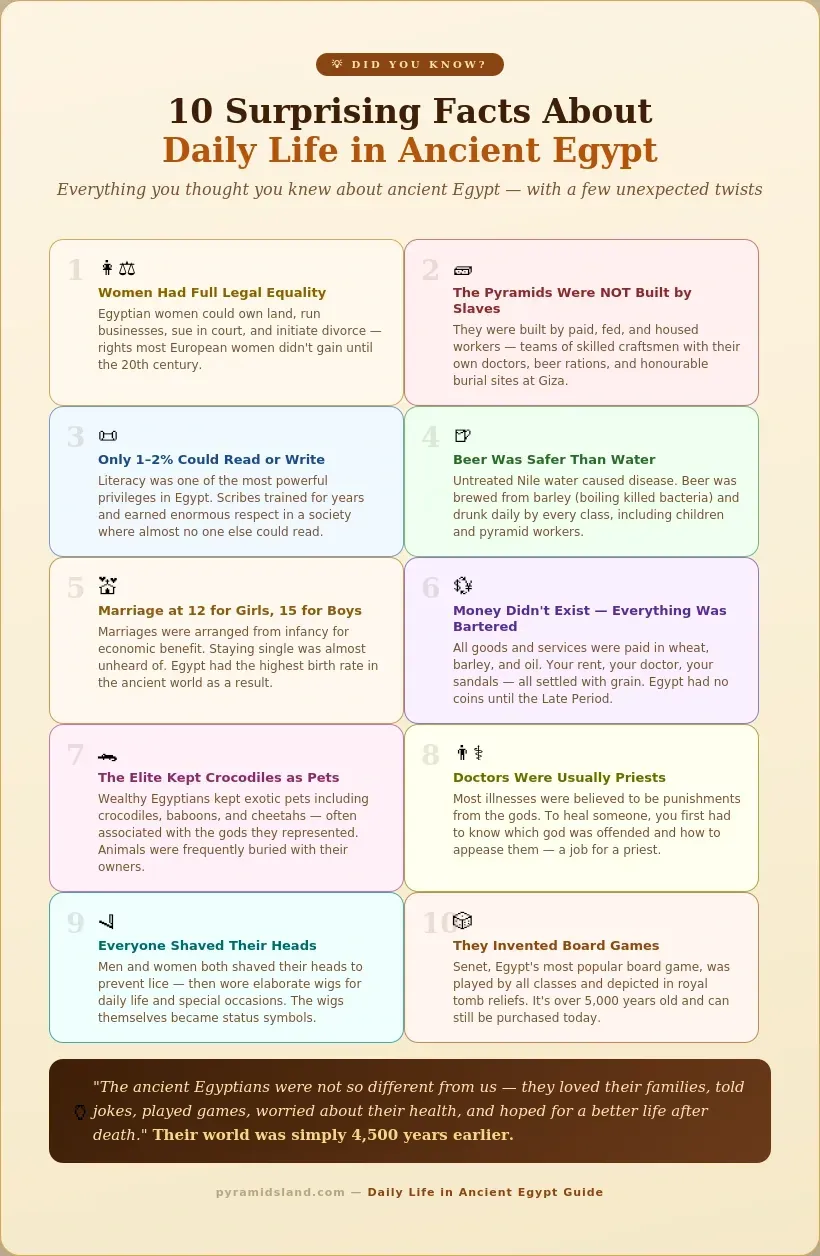
modern cultures. Women had the same legal rights as men of the equivalent social status, which meant that they could own and sell land, property, and businesses. They could live alone and initiate divorce and even (according to a papyrus scroll that dates back to 1,600 BC) choose to have an abortion. Women were allowed to work and often excelled in their chosen field. There is evidence that women worked as scribes and doctors, while the priests for certain female deities were almost always women. Ancient Egypt even had at least four female rulers – amongst them one of the most famous leaders of all, Cleopatra VII.
With that being said, men were still considered the head of the household and were responsible for outdoor work and providing for their families. Women were the homemakers and childcare providers, although many upper class wives would have had servants or slaves to perform those roles for them.
Family and Relationships
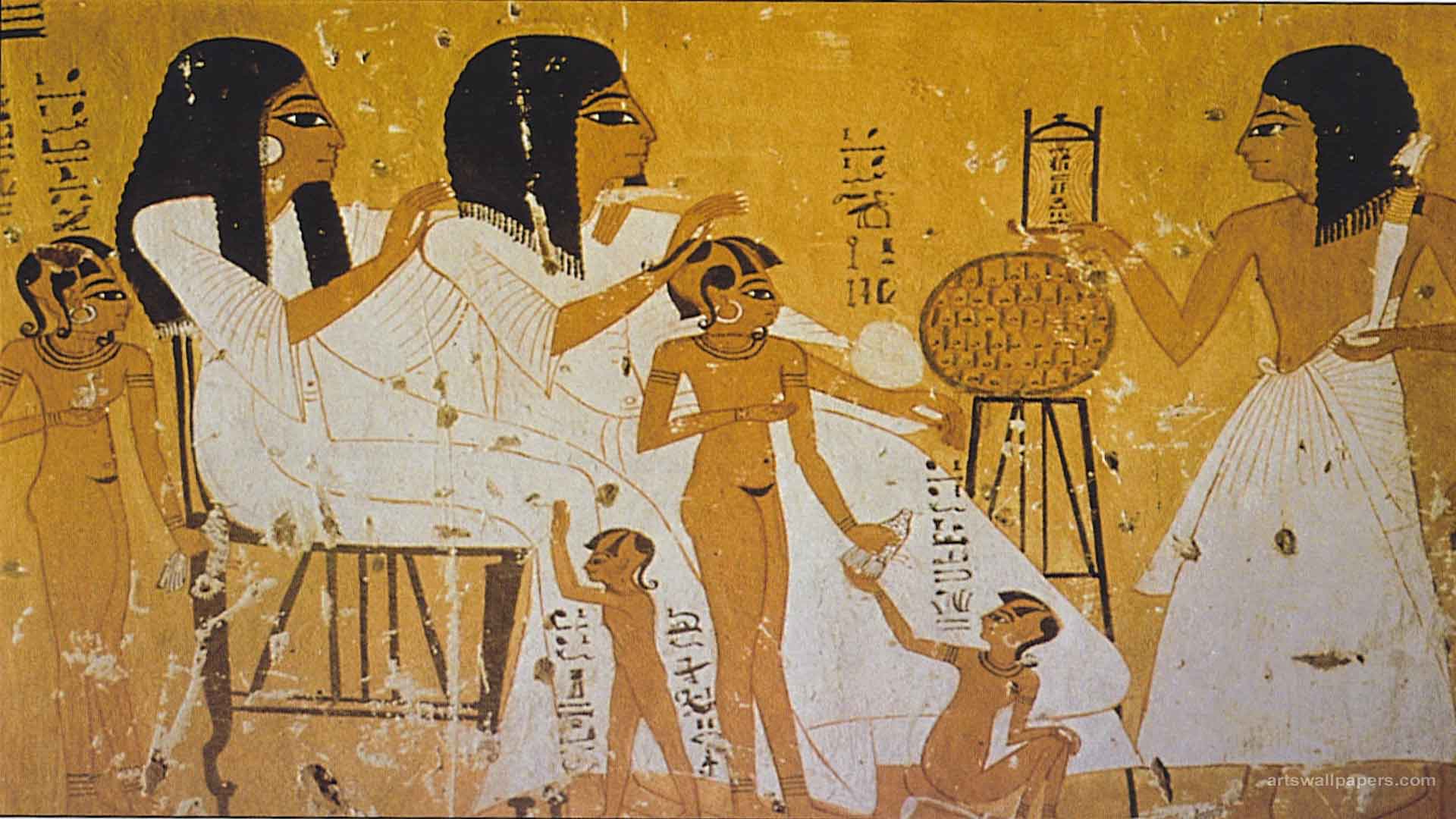
When it came to marriage, the Ancient Egyptians were not particularly romantic. Unions were typically arranged on the basis of economic benefit rather than mutual love or attraction, and it was rare for Ancient Egyptians to remain unmarried. Similarly divorce, while it did exist, was unusual. Egyptian men could and often did have multiple wives, with the principal wife afforded higher status than the rest of the household. Children were considered a blessing, and the more a couple had, the more likely they were to have a support system in their old age. As a result, Egypt had the highest birth rate in the ancient world; though childbirth was a risky affair with nothing more than amulets, charms, and an experienced midwife or family member to help stave off disaster.
Little is known about schooling for the lower classes, if it existed at all. Children of a certain status or with natural talent were likely selected for apprenticeships that would teach them specific skills – how to interpret hieroglyphs in order to be a scribe, or how to serve as a temple priest. Childhood didn’t last long. By the age of 12 for girls and 15 for boys, the majority of children were already wed to the spouse their parents had chosen for them in infancy. Many Egyptians had pets, with animals like cats, hawks and dogs revered for their association with animal gods like Bastet, Horus and Anubis respectively. More exotic animals, including crocodiles and baboons, would sometimes have been kept by the elite classes and were often buried with their owners.
Working Life in Ancient Egypt
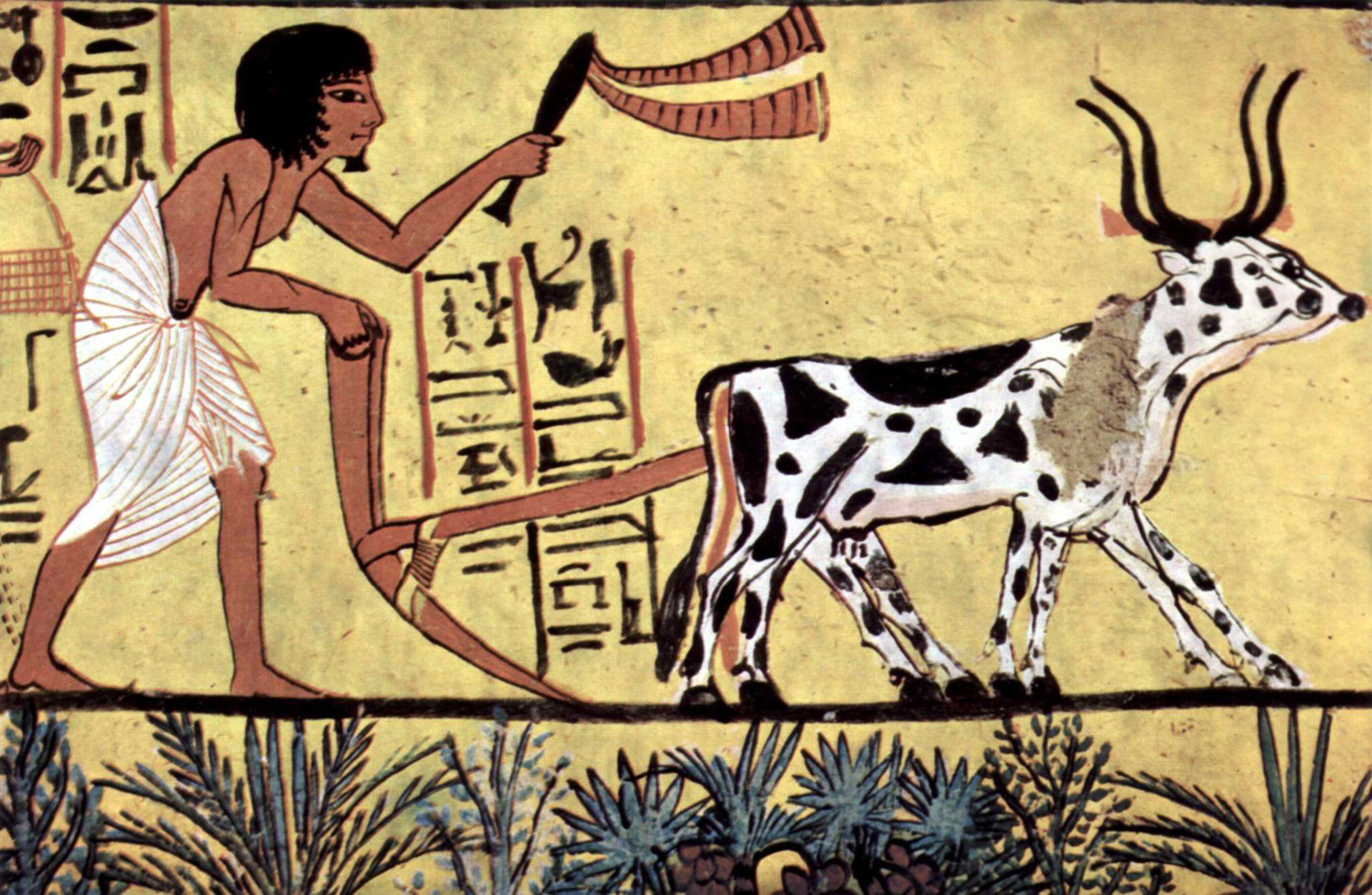
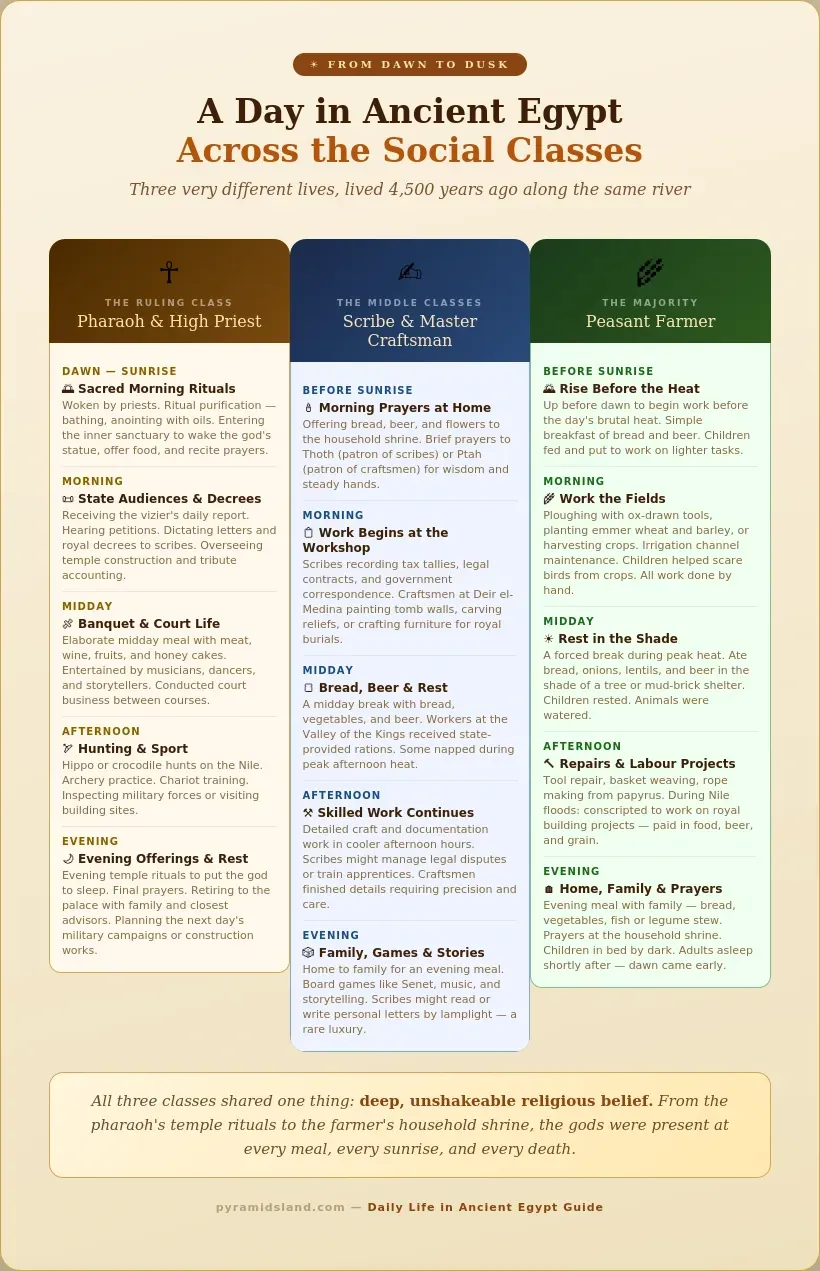
Jobs were largely hereditary and synonymous with social class in Ancient Egypt. The majority of the peasantry were farmers who worked land owned by the pharaoh, governors or temples. Most of their produce would have gone towards paying for their tenancy, but they would have been allowed to keep enough to feed themselves and their families. When the annual flooding of the River Nile made farming impossible, the men would have gone to labour on the pharaoh’s building projects. Contrary to popular belief, the pyramids and temples were not built by slaves, but by paid workers of various skill levels. Those that had a natural talent for painting, pottery, carving and carpentry could ultimately become well-paid and respected master craftsmen.
The military was the only profession that allowed for any real mobility between the social classes, however. Those that excelled on account of their strength, power or strategic wit could rise in rank from foot soldier to officer level and the associated prestige that came with it. Perhaps the most respected professions were scribes, doctors and priests. Scribes trained for many years to read and write the hieroglyphic alphabet and were highly valued in a society where only 1 to 2% of the population was literate. And although priests were not always doctors, doctors were usually priests due to the belief that most ailments were punishments handed out by the gods. They would have needed to know the best way to appease them and apply for a cure.
Goods and services were not paid for with money in ancient Egypt. Instead, society operated on a barter system with the most prevalent forms of payment being wheat, barley and oil.
What Did Ancient Egyptians Eat?
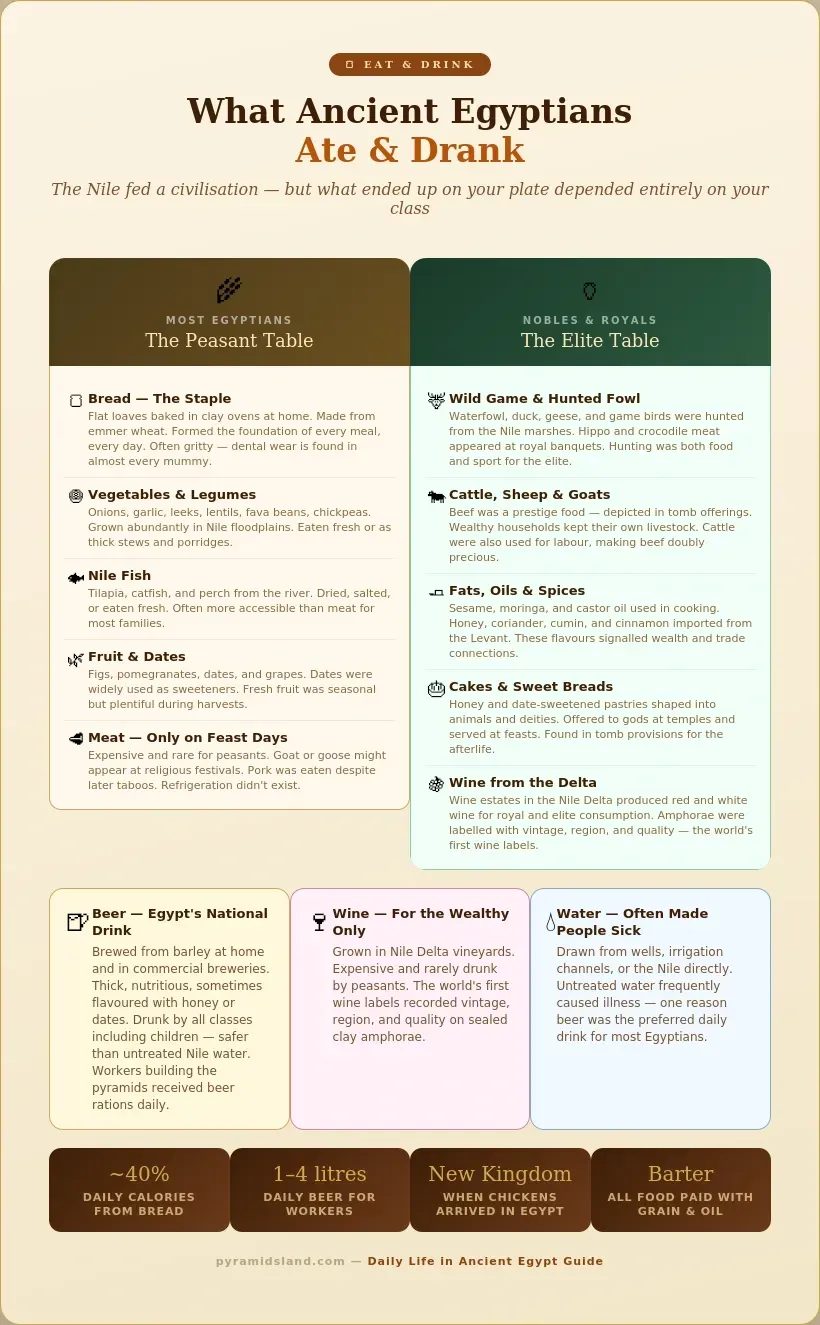
The land around the River Nile was fertile and as such an abundance of fruit and vegetables could be grown with relative ease. Grazing land on the other hand was in short supply and meat was therefore expensive (not to mention difficult to keep for long in the heat without refrigeration). The average Egyptian would have subsisted on a largely vegetarian or pescatarian diet, with the exception of meat slaughtered on special feast days. Those that could afford meat would have eaten wild game, fowl, goats, cows and sheep; chickens were not domesticated in Egypt until the New Kingdom. The Egyptians made bread in homemade clay ovens and used it as their primary source of carbohydrate.
Water came from wells and irrigation channels, or directly from the river. However, as untreated water often made people sick, beer was the most popular drink in Ancient Egypt. Brewed from barley either at home or in commercial breweries, it was sometimes flavoured with honey. Wine existed, but was really only drunk by the elite and the royal family.
Clothing and Appearance
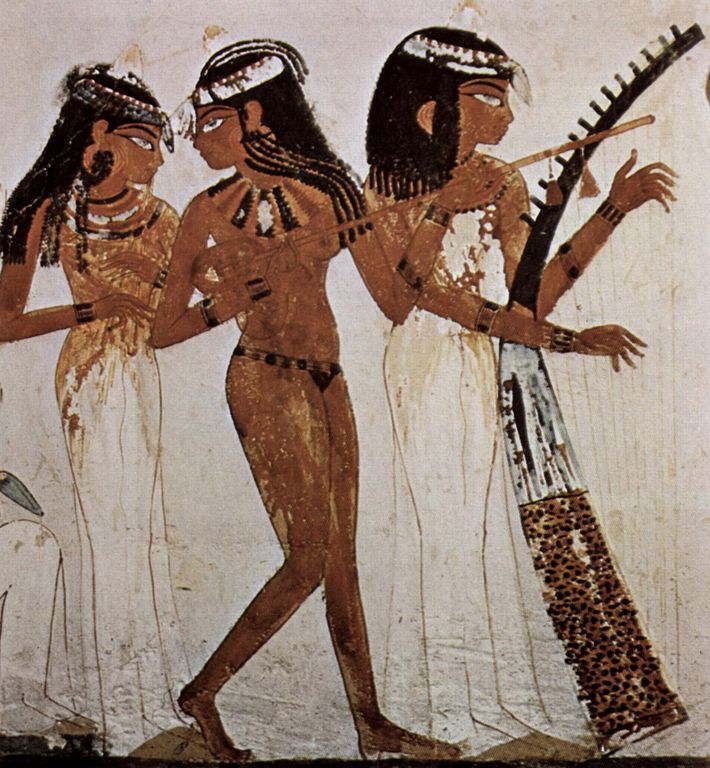
Cleanliness was considered of the utmost importance for all Egyptians, who would have bathed regularly even if the only water source available to them was the river. Men and women both shaved their heads to prevent lice, and then either went bareheaded or wore wigs. For the majority, clothing consisted of plain linen kilts (for the men) and dresses (for the women), with white garments of finer fabric reserved for religious celebrations. Most people went barefoot, although sandals were a symbol of status for those that could afford them. At all levels of society, children went naked until around the age of 10, while adults of both sexes would have worn jewelry and make-up. The most popular cosmetic was kohl, which was used to protect the eyes from the sun’s glare as well as to beautify.
Work Hard, Play Hard
Although the amount of time they had to spare for entertainment would have varied depending on social class, most Egyptians were able to balance work and play. Popular sports included handball, archery, gymnastics and wrestling; while living in close proximity to the Nile meant that many people were excellent swimmers and sailors. Hunting – whether for small game and birds or for dangerous creatures including hippos and crocodiles – was a popular pastime amongst the upper echelons of society. The Ancient Egyptians also played board games. The most famous game, Senet, was so popular that it was depicted in the tomb reliefs of several pharaohs and can still be purchased and played today.
Crime and Punishment
As in most societies, the vast gap between the wealthy and the poor often led to crime in Ancient Egypt. Although the vizier was responsible for justice and punishment, the handling of criminal cases was typically delegated to a local panel of respected community members known as the kenbet. Scraps of written material from Deir el-Medina suggest that the Ancient Egyptians were a litigious people, often getting embroiled in extended legal battles with their neighbours. For minor crimes, punishment would typically have been meted out in the form of a fine. For more serious offences (robbery, assault, rape and murder), the sentences varied from physical mutilation to imprisonment and forced labour. When capital punishment was decreed, the execution was carried out immediately without the chance for appeal.
Death and the Afterlife
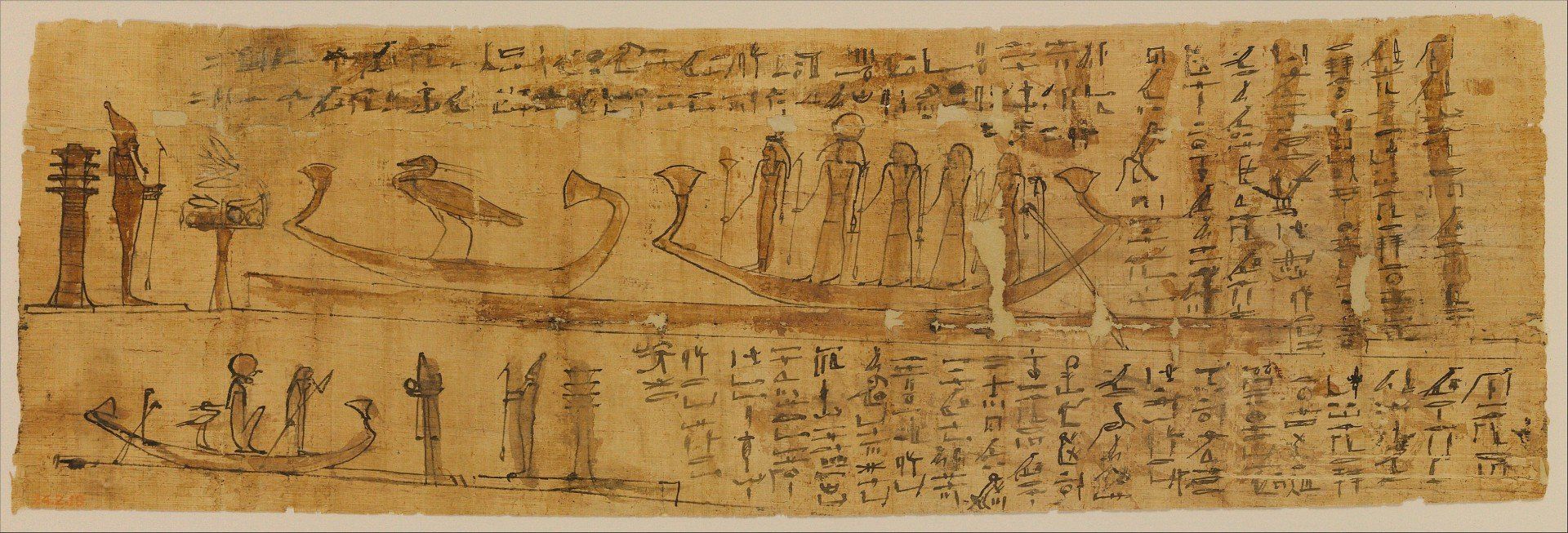
For Ancient Egyptians, the existence of the afterlife was as indisputable as life on Earth. They believed that their treatment depended on how they behaved during their mortal life; and that resurrection relied on the proper performance of their burial rites. When a person died, their family took their body to the undertaker, where they would have chosen from a range of preparation methods depending on what they could afford. Usually, the body was washed and embalmed (a process that involved the removal of all organs except the heart and the packing of the corpse with preserving salt). Then, after a period of 40 days, the desiccated remains were oiled and wrapped in bandages before being widget buried with all of the goods they might want or need in the afterlife.
To learn more and make the best out of your visit to Egypt, you can check our Egypt tours
Ashraf Fares